
This Content Is Only For Subscribers
A smartphone is one of the best tools a small landlord has. You can answer a tenant, photograph a repair, approve an invoice, check a payment, and send a lease document from almost anywhere. The problem starts when the phone is not just a tool, but the place where the entire rental business lives. Text threads become the maintenance log. The camera roll becomes the inspection archive. Notes become the contact list. Banking apps become the accounting system. That setup feels efficient right up until you need to find something quickly.
Picture a tenant in Fort Worth texting you about a ceiling stain after a severe thunderstorm or hail event. You call a roofer, the immediate problem gets handled, and everyone moves on. Three months later, the tenant asks when the original leak was reported because staining has become more noticeable. Now you are searching through personal texts, vendor messages, photos, and screenshots trying to rebuild a timeline. The repair may have been handled correctly, but the record is scattered across a device that was never designed to be your business filing system.
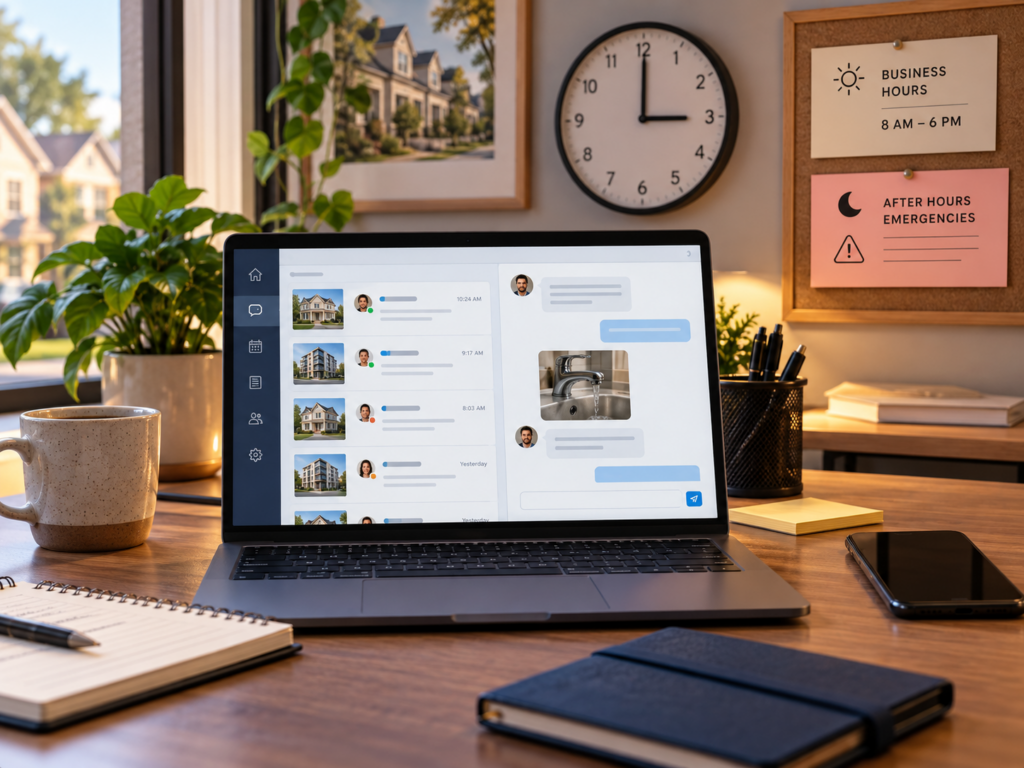
That matters because Texas repair law looks at whether required conditions were addressed within a reasonable time after proper notice. Seven days creates a rebuttable presumption of reasonableness in certain situations, but it is not a universal grace period for every repair. A clear record of when notice was received, what you did, and when the work was completed is much more useful than trying to reconstruct events from a phone months later.
Photos create the same problem. Taking move in, move out, storm, and repair photos on a phone is perfectly practical. Leaving them in the general camera roll is not. A landlord with rentals across DFW and North Texas can easily take thousands of personal and property photos in a year, especially when hail, high winds, or a hard freeze creates several inspections at once. If a security deposit question comes up later, the useful picture is the one you can find, identify, and date. Uploading the photo set to a property folder while the inspection is still fresh is much easier than scrolling backward for two years.
Using a personal number for every tenant conversation also makes boundaries harder to maintain. A separate business number or property management messaging system gives you a dedicated place for rental communication without carrying a second phone. Routine questions can stay within normal business hours, while the lease and your emergency instructions can explain what tenants should do when a true emergency cannot wait.
Financial management is another area where the phone should be the access point, not the whole system. Mobile banking is useful for confirming deposits and checking balances, but it does not replace a ledger that organizes income and expenses by property. If you own homes in different parts of DFW and North Texas, you want to know what each house is costing you, not just what the combined bank balance happens to be today.
There is also a basic continuity problem. Phones break, get replaced, disappear, and run out of storage. Cloud backups help, but a rental business should not depend on restoring one personal device before you can find a lease, vendor invoice, or inspection photo. Critical records should live in a cloud folder, property management system, or other organized business account that you can reach from a computer or replacement device.

None of this means you should stop managing from your phone. The phone is ideal for mobile work. Use it to open the maintenance system, upload a photo directly into the property folder, check the tenant ledger, or respond through the business line. The difference is that the information should land in a larger system instead of staying trapped inside the phone.
A good rule is simple: if losing your phone tonight would make it difficult to run the rentals tomorrow morning, too much of the business still lives on that device. Keep the convenience. Move the records, workflows, and history somewhere more permanent. That small change also gives you a cleaner record when you are coordinating repairs across the Metroplex or handing the file to a property manager later.