
This Content Is Only For Subscribers
When a maintenance problem shows up at a rental house, the first question is usually not technical. It is, “Who is supposed to handle this?”
The air conditioner is running but barely cooling because the filter is packed with dust. A sprinkler head has been spraying the driveway long enough to stain the concrete. A garbage disposal is jammed after weeks of grease and food scraps. None of those situations begins with the repair invoice. They begin with a maintenance responsibility that was either clear before move in or left for everybody to argue about later.
The large apartment operator has a maintenance department and written procedures for almost everything. The small landlord with three houses in Dallas, Fort Worth, Frisco, or somewhere farther out in North Texas has a vendor list, a reserve account, and a phone that always seems to ring when the HVAC companies are already booked.
Welcome to Maintenance Matters. This column is for the small operator who needs a workable system, not a paragraph of vague lease language. Your lease should divide routine care from real repair work, and your move in process should teach the tenant how that division works in the actual house.
The landlord owns the building, the systems, and the repairs that require skill or specialized tools. The tenant handles reasonable day to day care, reports problems early, and avoids behavior that damages the property. If the line matters, define it before the keys change hands.
The Lease Sets Responsibility, Not Every Procedure
One broad sentence will not run a maintenance program. “Tenant shall maintain the premises” sounds official, but it does not tell anybody what to do on a Tuesday night when water is dripping under the sink.
Use the lease to assign responsibility. Use a simple move in guide to explain the property. If the tenant changes the HVAC filter, the lease should say who provides it and how often the task is expected. The guide should show the size, location, and direction of airflow. If the tenant is responsible for routine yard care, the lease should identify that responsibility. The guide can explain the irrigation controller, lawn service access, trash location, and the reporting process for a broken sprinkler.
A clear clause gives you something consistent to enforce. A practical guide gives the tenant a fair chance to follow it. You need both.
Draw a Hard Line Between Care and Repair
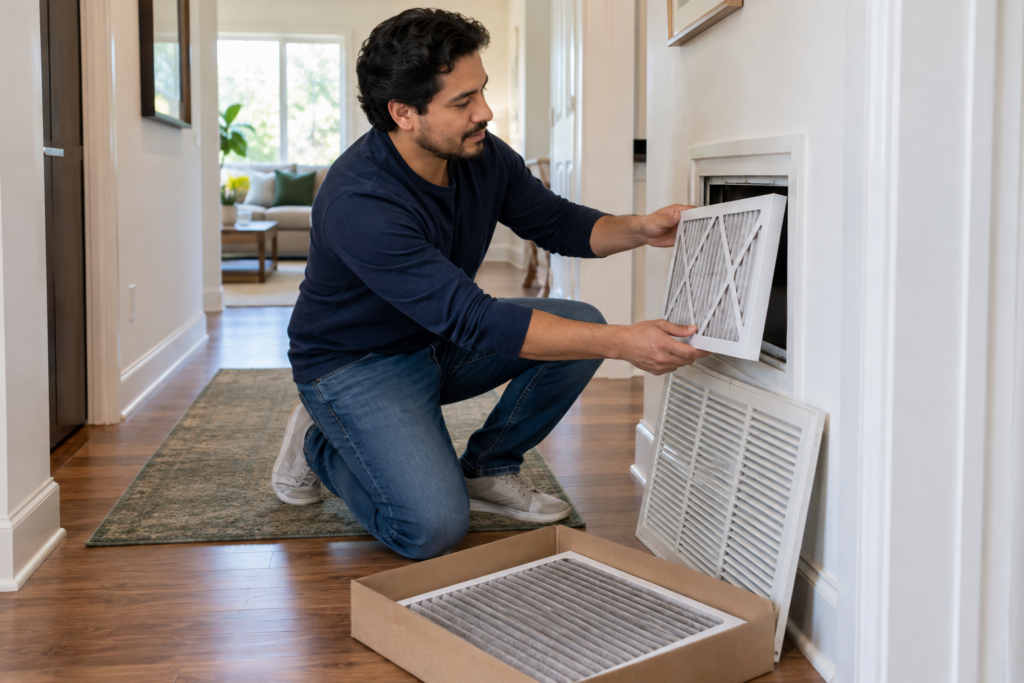
Routine care is work a tenant can safely perform without specialized training. That may include replacing a normal light bulb, changing an assigned battery, installing an accessible HVAC filter, cleaning up spills, keeping a drain free of obvious debris, reporting leaks, or handling the yard when the lease clearly gives them that job.
Repair work stays with the landlord. A tenant should not diagnose an electrical problem, open an air conditioning system, replace a disposal, climb onto the roof, clear a main sewer line, repair a water heater, or start cutting into walls. Those jobs require skill, and a bad attempt can turn a manageable repair into a much larger one.
The grey area is where the money disappears. A tenant can replace a smoke alarm battery, but that does not make them responsible for an expired detector. They can reset a breaker once, but repeated trips need an electrician. They can report an irrigation leak, but they should not dig up a valve box and start experimenting.
The same rule applies to air conditioning. A dirty filter can restrict airflow and put extra strain on a system during a North Texas summer, especially when the equipment is running through long stretches of extreme heat. That matters. It still does not mean every July HVAC failure is tenant caused. The tenant’s job is reasonable care and fast reporting. Your job is diagnosis and repair.
Small Tasks Can Protect Very Expensive Systems
Filters, batteries, simple bulbs, pest prevention, hose connections, irrigation observation, drain care, and basic cleanliness all sound cheap because they are cheap. That is exactly why they should be easy to define and easy to complete.
If you supply filters, tell the tenant when they arrive and where they belong. If the tenant buys them, give the exact size and a schedule. Do not write “regularly” and leave the rest to interpretation. A house with pets, heavy dust exposure, or long periods of air conditioning use may need more attention than another property. Your maintenance plan should match the equipment and the way the house is used.
A standard bulb in an accessible fixture may be a tenant task. A high, unusual, hardwired, flickering, or dead fixture is a maintenance call. The same applies to a detector that keeps chirping after a fresh battery. Small replacement duties should never turn into amateur electrical work.
DFW and North Texas Yards Need More Than the Word Maintain
Yard clauses are one of the easiest places for landlords to create confusion. A compact yard in an older Dallas or Fort Worth neighborhood, a master planned subdivision lot in Collin or Denton County, and a larger property farther north or west do not have the same routine.
If the tenant mows, say what that includes. Mowing, edging, weeds, watering, leaves, pet waste, and sidewalk cleanup are separate tasks. If you provide lawn service, explain what remains the tenant’s responsibility. The tenant may still need to keep gates accessible, move personal items, pick up pet waste, and report a broken sprinkler head.
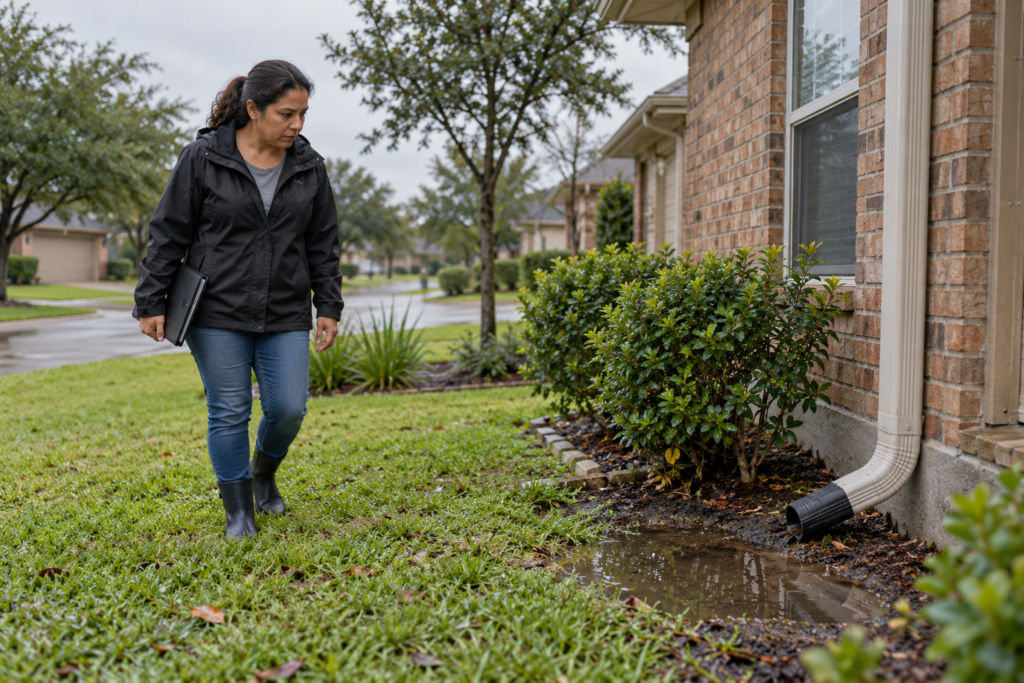
Watering deserves its own instructions. North Texas heat can stress turf and irrigation systems, while clay soil around the foundation can make consistent moisture management more important. Show the tenant how the controller works and who adjusts it. If a sprinkler runs continuously, a zone fails, or water begins pooling near the house, you want that report quickly. The goal is to keep the yard alive without creating a water problem next to the structure.
Do not make the tenant responsible for irrigation repair, tree work, major drainage, or structural landscape problems simply because they mow the lawn. Routine yard care and property repair are different jobs.
Reporting Is the Tenant’s Most Valuable Maintenance Job
The most useful thing a tenant can do for your property is tell you about a small problem before it becomes an expensive one.
A slow drip under the kitchen sink, a toilet that runs every few minutes, a water stain that appears after rain, a door that suddenly starts sticking, or an air conditioner that is running longer than normal can all be early warnings. Tenants sometimes wait because they do not want to bother the landlord. Others worry that reporting the issue will get them charged. Both reactions are bad for the house.
Your lease should require prompt reporting of conditions that may cause water damage, safety concerns, pest activity, equipment failure, or additional property damage. Then give the tenant one clear reporting channel. A portal, dedicated maintenance number, or monitored email address works better than a mixture of personal texts, social messages, and phone calls that nobody can find later.
Neglect Is Not the Same as Normal Failure
A landlord needs to be disciplined about the word neglect. Appliances wear out. Supply lines fail. HVAC equipment reaches the end of its life. Tree roots go where you do not want them. North Texas heat, freezes, hail, wind, and sudden storms are hard on cooling equipment, roofs, fences, irrigation, and exterior materials. Those are ownership realities.
Neglect is the failure to perform a clearly assigned routine task or report a known problem when the delay causes more damage. An active leak ignored for weeks, trash allowed to attract pests, or a broken irrigation head left running are better examples.
Do not try to list every possible act of neglect. Define reasonable use, reporting duties, and the routine tasks assigned to the tenant. Then document the property with inspection photos, maintenance requests, delivery records, and vendor findings.
The Move In Walkthrough Is Part of the Maintenance System
A signed lease is necessary. It is not enough.
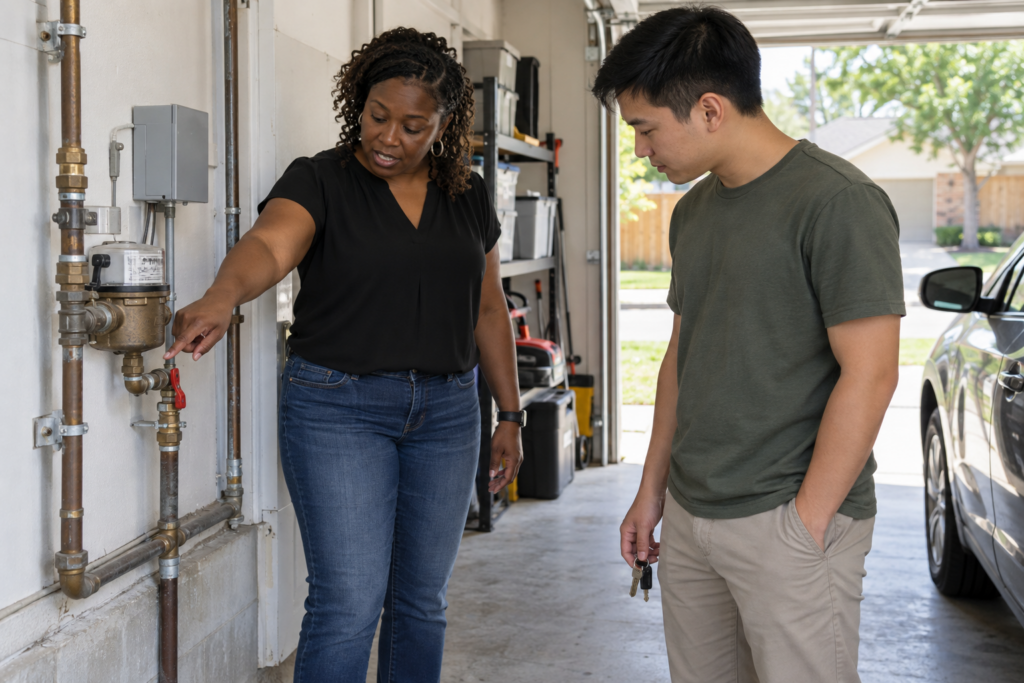
Walk the tenant through the house. Show the filter location, main water shutoff, breaker panel, irrigation controller if there is one, smoke alarm test buttons, and the maintenance reporting method. In North Texas properties, also point out hose bibs, irrigation shutoffs, or any exterior system the tenant needs to watch during a freeze or long dry stretch. Show them what to handle and what not to touch.
Give them a one page guide that matches the lease. Include filter information, lawn expectations, trash instructions, emergency examples, and contact information. A short check in after the first month can catch confusion before it turns into a repair call.
Inspections Verify What the Lease Cannot
You cannot outsource the condition of the property to the tenant. Even a responsible resident will miss things because they do not look at the house like an owner.
Schedule regular walkthroughs. Look under sinks, check the filter, test alarms, and walk the exterior. Pay attention to irrigation, fences, hose connections, caulk, gutters, drainage, and anything starting to fail. During long dry stretches, watch the soil and irrigation around the foundation. After severe wind or hail, check the roof, gutters, fences, and exterior for damage.
DFW and North Texas landlords also have to think seasonally. Before summer heat, make sure the cooling system and irrigation are ready. During dry stretches, watch landscaping and soil conditions around the foundation. After hail or strong wind, inspect the roof, gutters, fences, and exterior. Before a freeze, review hose bib protection, exposed plumbing, irrigation shutoffs, and make sure the tenant knows where the main water shutoff is. The lease assigns responsibilities. Your inspection verifies the system is working.
Clarity Protects Cash Flow
Clear maintenance responsibilities will not eliminate repair bills. They will eliminate many of the delays, misunderstandings, and preventable failures that make those bills larger.
A tenant who reports a slow leak can save a cabinet, flooring, and a mold bill. A tenant who understands filter care can reduce strain on the HVAC system. A tenant who knows the lawn and irrigation plan is less likely to let a small exterior problem run for weeks.
Do not use the lease as a way to push every ownership cost onto the resident. That is not a maintenance strategy. Assign routine care that is reasonable. Keep repairs, life safety systems, and technical work with the owner. Train the tenant at move in, make reporting easy, and verify the property yourself.
For the small landlord, maintenance clarity is not paperwork. It is asset protection. The house does not care whether the final damage came from a worn out part, a tenant who waited too long, or a landlord who never explained the rule. The invoice arrives either way. Build the responsibility into the lease, the move in, and the inspection routine before the small problem has time to become the expensive one.