
This Content Is Only For Subscribers
Most landlords already take photos. The problem is that a camera roll full of random pictures is not the same thing as a maintenance record. When you need to remember whether a stain was already there, confirm what a vendor repaired, or compare the condition of a room six months later, organization matters as much as the picture itself.
Welcome back to Maintenance Matters. A useful photo log should help you manage the property while the tenant is living there, not just document damage at move out. For DFW and North Texas rentals, it is especially useful for tracking roof and hail repairs, drainage changes, HVAC equipment, plumbing leaks, fencing, trees, irrigation problems, and gradual exterior changes through long hot summers and severe weather.
Start With a Move In Baseline
Before the tenant receives the keys, photograph the empty house in a consistent order. Take a wide photo of each room, then closer photos of areas that are easy to damage or easy to argue about later. Floors, baseboards, appliance interiors, countertops, sink cabinets, blinds, doors, and bathroom surfaces all deserve a clear baseline.
Do the same with mechanical items. Photograph the HVAC filter size, thermostat, water heater area, appliance model and serial labels, and visible shutoff locations. Outside, photograph the roofline from the ground, fencing, condenser unit, downspouts, drainage areas, irrigation trouble spots, and any existing exterior cracks or staining. The point is not to create hundreds of pictures. It is to create a useful starting point before the weather or another repair changes the condition.
Use the Wide Then Tight Rule
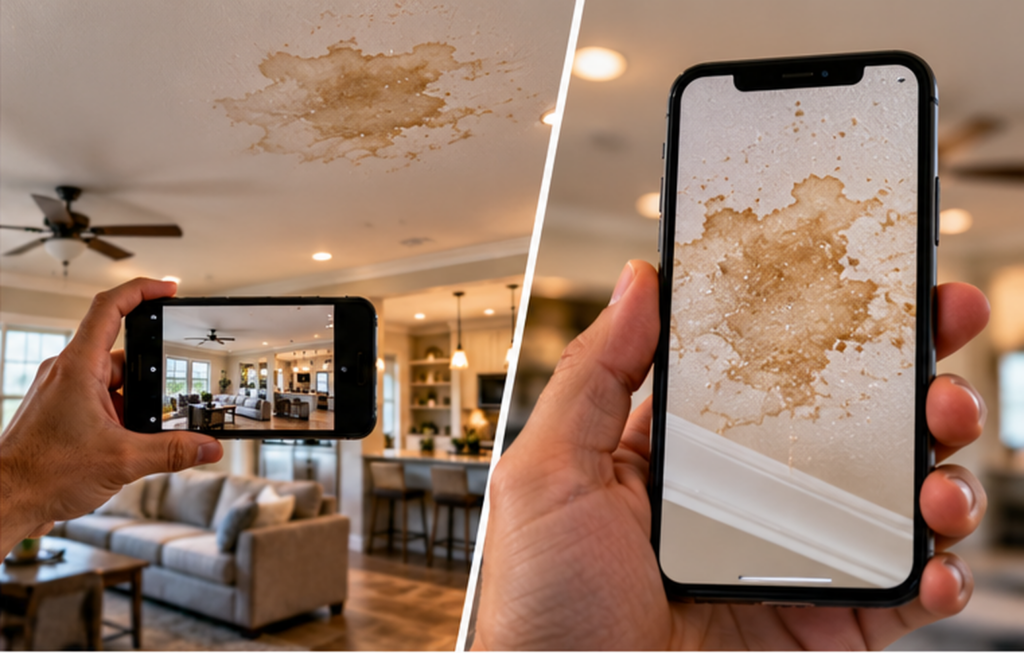
When a maintenance issue appears, take one photo that shows where the problem is, then a closer photo that shows the detail. A close picture of damaged trim is much more useful when another image shows which wall and which room it came from. The same rule works for a ceiling stain, a leaking valve, hail damage, ponding near the house, an HVAC drain overflow, fence damage, or a crack in exterior masonry.
For problems that change over time, repeat the angle when you can. If you are watching a crack, stain, or exterior condition, a series of similar photos taken months apart is much easier to compare than a group of unrelated close ups.
Ask Vendors for Completion Photos
Photo logs are also useful for vendor accountability. If a plumber replaces a leaking trap, a roofer repairs hail or wind damage, an HVAC technician clears a drain line, or an irrigation or drainage contractor corrects a problem area, ask for a clear completion photo along with the invoice. For work that is hidden once the repair is closed up, a photo before the wall, cabinet, or access panel is closed can be especially valuable.
That record helps later if the same area has another problem. It does not prove that every future issue is related to the old repair, but it gives you a much better starting point for the next vendor.
Organize by Property and Date
Do not leave maintenance photos mixed into your personal camera roll. Give each rental its own folder. Within it, use simple folders for move in, inspections, maintenance events, and move out. Name repair folders with the date and a short description, such as kitchen sink leak or June hail roof check.
Keep the original digital files when practical because they often contain date and device metadata. Do not rely on metadata alone, though. A short written note in the property file explaining what the photo shows, when it was taken, and what happened next makes the record much more useful.
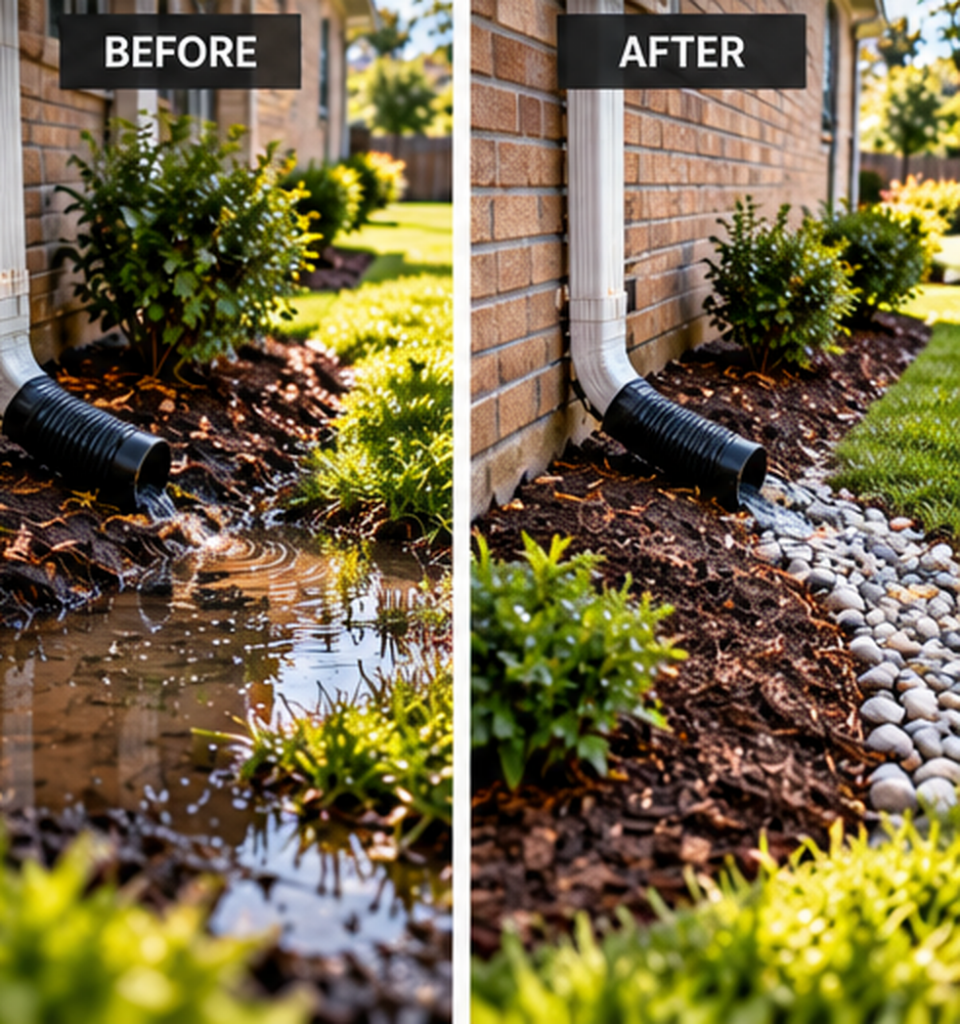
After a major hailstorm or severe thunderstorm, take a few exterior photos even when you do not see obvious damage. Those images create a date specific record of the roofline, fencing, trees, windows, downspouts, drainage areas, and places where water normally collects. In DFW and North Texas, storm cells can hit one neighborhood hard while another nearby property sees very little. A quick record helps you remember what each house looked like immediately after the event instead of reconstructing it months later.
The Value of the Record
A good maintenance photo log saves time because you do not have to reconstruct the history of a house from memory. It helps you compare conditions, communicate with vendors, support legitimate deposit deductions when appropriate, and spot recurring problems. For a DFW or North Texas rental, it can also help separate an older roof mark from new hail damage or show whether a crack, drainage condition, or fence issue is changing. The best system is not the one with the most photos. It is the one that lets you find the right photo quickly when you actually need it.