
This Content Is Only For Subscribers
One of the hardest parts of handling maintenance is deciding how fast a request really needs attention. Tenants naturally judge the problem by how disruptive it feels to them. Landlords tend to judge it by cost, vendor availability, and whether the property is being damaged. Good triage sits somewhere in the middle.
For DFW and North Texas landlords, the local climate makes that judgment even more important. Long hot summers, severe thunderstorms, hail, high winds, irrigation stress, and hard freezes can turn a small warning sign into a larger repair if it sits too long. The goal is not to label every inconvenience an emergency. It is to recognize the situations where waiting creates real risk.

Start With Safety and Active Damage
The first question is simple: is anyone in immediate danger, or is the property being actively damaged right now? If the answer is yes, move quickly.
Examples include water flowing from a broken pipe, sewage entering the living area, a strong gas odor, visible electrical arcing, a fire related condition, or a ceiling that appears to be failing after a major leak. A gas odor should be handled according to the gas utility or emergency service instructions rather than waiting for an ordinary maintenance appointment. Active flooding may require shutting off water before the plumber arrives.
A complete air conditioning failure during extreme North Texas heat can also require a much faster response than the same equipment failure on a mild day. The urgency depends on the indoor conditions, outdoor temperature, the household, the equipment, and how quickly a qualified technician can respond. Avoid treating every cooling complaint as identical, but do not underestimate a house that is rapidly becoming dangerously hot.
Urgent Means Waiting Could Make It Worse
The next category is the repair that is not an immediate emergency but should not sit for a week. A slow plumbing leak is a good example. It may not be flooding the bathroom, but it can swell cabinets, damage flooring, or create moisture problems if it keeps dripping. Water near an indoor air handler, a roof leak after hail, or a supply line that began seeping after a hard freeze can also belong here even if the damage is still limited. North Texas weather can turn a small problem into a larger one quickly.
A refrigerator that has stopped cooling, a garage door that will not secure, a water heater that has stopped producing usable hot water, an irrigation break that is washing out soil, or a fence section left unstable after strong wind can also deserve prompt scheduling. The exact response depends on the property and situation, but the common thread is the same: the condition is likely to become more expensive, more disruptive, or less safe if you leave it alone for several days.
Routine Does Not Mean Ignore It
Routine repairs are the items that can be scheduled without paying emergency rates or rearranging the entire day. A loose cabinet hinge, torn screen, noisy bathroom fan, minor fence picket damage, or a door that rubs slightly may all fall into this group if there is no safety or security issue.
Routine work is where batching helps. If a house has a loose towel bar, a sticking closet door, and a cracked switch plate, it usually makes more sense to handle them during one handyman visit than to schedule three separate trips. That saves travel time and service charges without neglecting the property.
Use the Seven Day Question Carefully
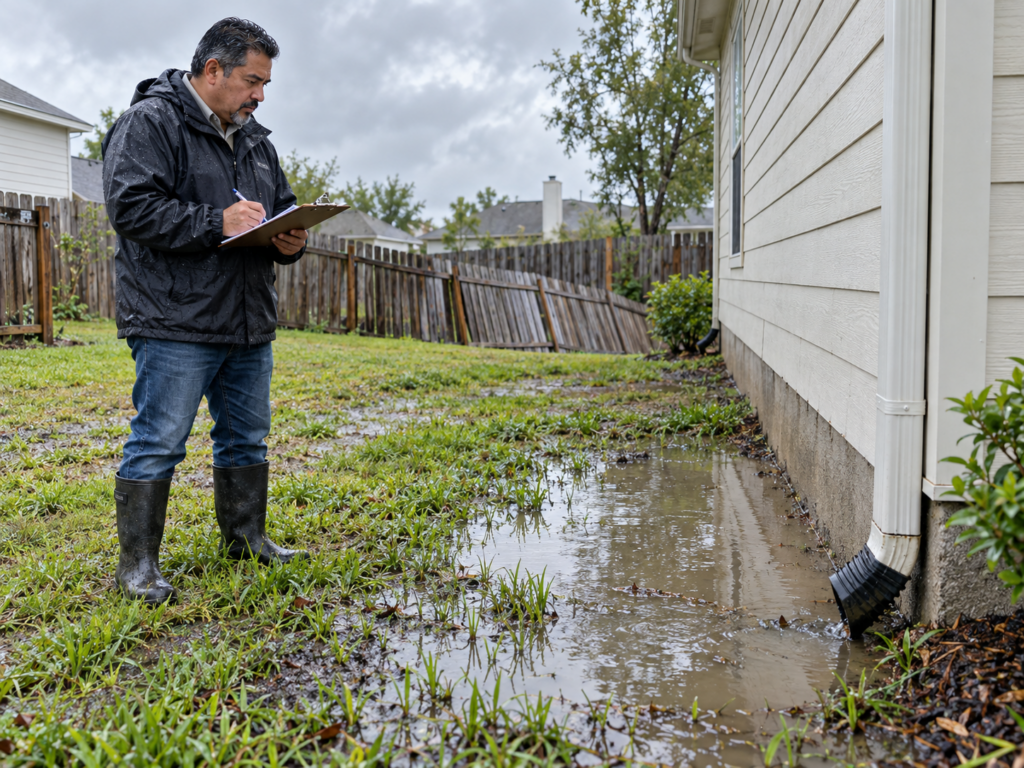
When a request falls into the gray area, ask what is likely to happen if the condition stays exactly the same for the next seven days. If the realistic answer is more water damage, loss of security, worsening electrical trouble, spoiled food, or a much larger repair, move it up the list. If the realistic answer is mostly inconvenience, you probably have more scheduling flexibility.
Do not use that question as a rigid rule. Some conditions need attention sooner, and some routine repairs can reasonably wait longer depending on vendor availability and the lease. The value of the question is that it makes you think about consequences instead of reacting only to how urgent the tenant’s message sounds.
Keep Notes on the Decision
A short note in the maintenance log can also help. Record what the tenant reported, any photos they sent, how you classified the request, and what action you took. If a routine looking leak later turns out to be more serious, you can see what information you had at the time and improve your process for the next call.
Good triage gets easier with repetition. You start recognizing the clues that deserve a plumber today, the HVAC symptoms that should not wait until next week, and the small repairs that can be grouped into one efficient visit. That is the real goal: not perfect labels, but better decisions before a manageable repair becomes an expensive one.