Home Blog Page 22

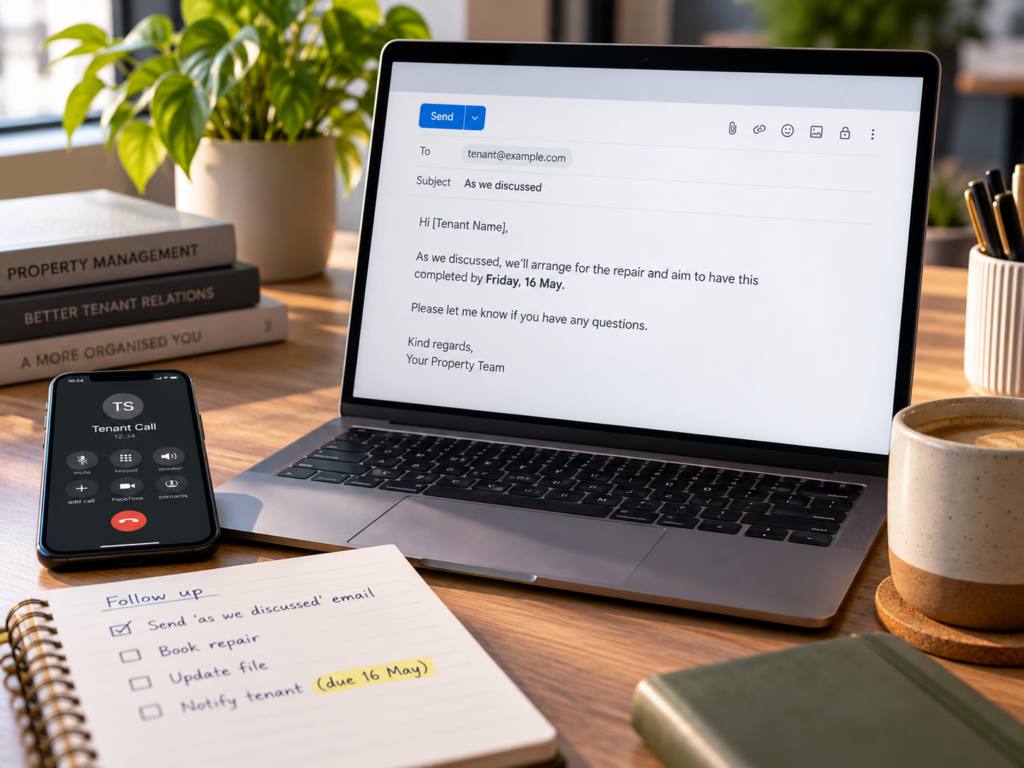
What to Document Every Time You Talk to a Tenant

This Content Is Only For Subscribers

Please subscribe to unlock this content. Enter your email to get access.
Your email address is 100% safe from spam!

The Minimum Digital Setup for a One to Five Property Landlord

A landlord with one house can get away with a surprisingly loose system for a while. One rent payment, one tenant, and a few repair calls do not create much administrative pressure. By the time you own three, four, or five rentals, that changes. A text thread can disappear. A receipt can end up in the wrong folder. A maintenance request can sit unanswered because you thought you already handled it. Small portfolios do not need enterprise software, but they do need a basic digital system that keeps routine work from living in your head.

Welcome back to Rental Technology. For DFW and North Texas landlords, the goal is not to buy more software. It is to create a simple setup that handles the work you repeat every month: collecting rent, separating tenant communication from your personal life, tracking maintenance, and keeping the books organized. If those four pieces are dependable, a small portfolio can run very smoothly without an expensive management platform.

Start with Rent Collection

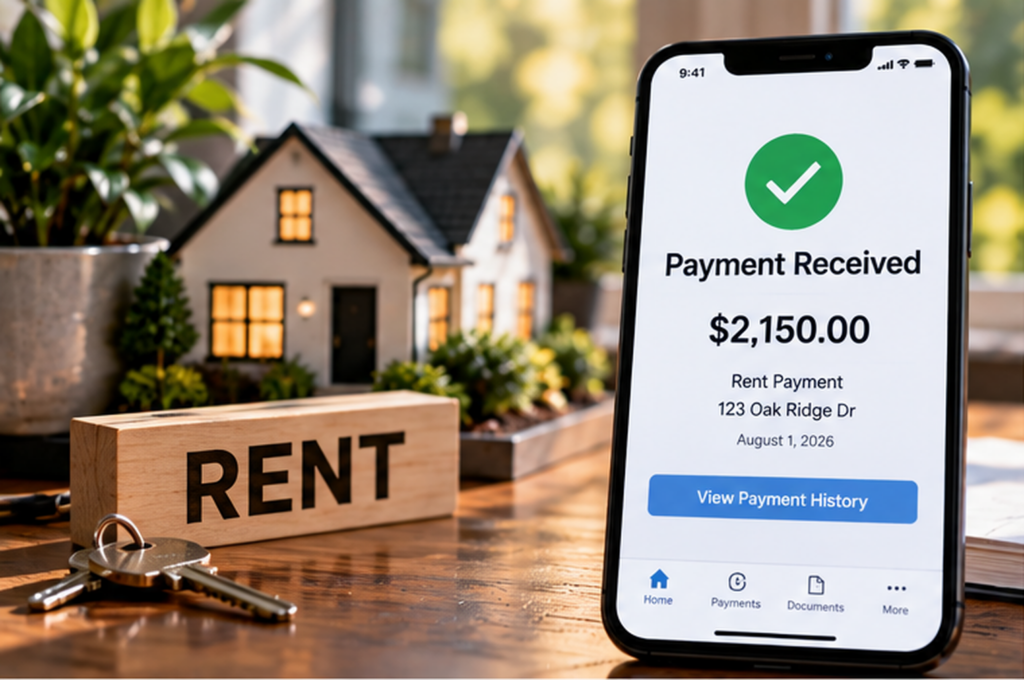
The first piece is online rent collection. Checks and cash create extra handling, make recordkeeping harder, and can leave you piecing together payment history later. A better system lets the tenant pay electronically, keeps a transaction record, and gives both sides a clear view of what was paid and when.

For a one to five property portfolio, a simple rental platform may be enough. Zillow Rental Manager, Stessa, and other landlord focused services offer online payment options, while many broader property management platforms include payments as part of a larger package. The exact platform matters less than the process. Pick one payment channel, connect it to the proper rental bank account, and use it consistently. If your lease includes late fees, make sure any automated reminders or charges match the lease and your normal collection policy rather than assuming the software should decide for you.

Create a Separate Communication Channel

The second piece is a business communication channel. Your tenant may still reach you on the same physical phone, but that does not mean the rental business should share your personal number, personal voicemail, and personal text history.

A virtual number such as Google Voice or another business phone service can give you a separate line that rings on your existing device. That makes it easier to use a professional greeting, keep rental conversations together, and manage when routine calls reach you. Google Voice can also manage call availability around working hours when it is configured with the appropriate settings. Emergency instructions still need to be clear. A tenant with a fire, gas smell, or immediate life safety issue should not be waiting for a voicemail callback.

Use a Structured Maintenance Intake

Maintenance is where small portfolios usually become messy first. A tenant texts, you answer, a vendor calls, and two weeks later you are trying to remember whether the work was actually finished. That is especially common during a North Texas summer when AC calls, irrigation problems, plumbing issues, hail damage, and severe storm repairs can arrive close together.

At the simplest level, a Google Form or similar online form can work well. Ask for the property address, a description of the problem, photos when useful, the best contact information, and any access details you normally collect. The form should not ask a tenant to decide whether something is legally an emergency. It should simply gather enough information for you to triage the request quickly.

Send the responses to a private spreadsheet or task board so every request has a timestamp and a status. Add columns for the vendor, appointment date, estimated cost, completion date, and follow up. For landlords with homes spread between Dallas, Fort Worth, Arlington, Frisco, Denton, or other nearby markets, that simple log is much more reliable than trying to remember which vendor was going where.

Keep a Real Financial Ledger

The fourth piece is accounting. A bank balance tells you how much cash is in the account. It does not tell you which property is actually performing well, which repair belongs to which house, or whether a large purchase should be reviewed differently at tax time.

A disciplined spreadsheet can still work for a very small portfolio, but it has to be updated consistently. Rental focused tools such as Stessa can import bank transactions and let you assign income and expenses to a property. Other landlords may prefer general accounting software. Whatever you use, keep the rental account separate, categorize transactions regularly, and save the supporting receipt or invoice with the property record instead of assuming the bank feed is enough.

This is the minimum digital setup I would want before adding another property: one rent collection method, one business communication channel, one maintenance intake process, and one financial ledger. None of it has to be fancy. The value comes from knowing where information goes before the next AC outage, hail claim, renewal question, or repair invoice arrives. In a small DFW or North Texas portfolio, a simple system used every week will beat an expensive system used halfway.

The 15 Minute Property Health Check

A full inspection has its place, but most small landlords are not going to spend two hours at every house each time they stop by. That does not mean the only choices are a formal inspection or no inspection at all. If you are already at the property to meet a vendor, drop off a filter, or handle a lease item, fifteen focused minutes can tell you a lot about how the house is holding up.

Welcome back to Maintenance Matters. For DFW and North Texas landlords, a quick property check should focus on the systems that take the most punishment from long summer heat, severe thunderstorms, hail, high winds, and the occasional hard freeze. The goal is not to diagnose every problem. It is to notice the small warning signs before they become expensive.

The Exterior Perimeter Sweep

Spend the first five minutes outside. Walk the perimeter slowly enough to notice changes. Pay attention to drainage near the slab and to places where water collects after a hard rain. Many North Texas neighborhoods have clay soils that can move through wet and dry cycles, so the useful question is whether something has changed. New cracks, doors that suddenly stop lining up, repeated ponding, erosion, or visible separation that keeps getting worse deserve a closer look from the right professional.

Check the roofline, fascia, siding, brick, and window trim for storm damage, peeling sealant, rot, or openings where pests can get in. Make sure tree limbs and shrubs are not rubbing the roof or siding. After a severe thunderstorm, hailstorm, or high wind event, this quick exterior walk matters even more because loose shingles, damaged fencing, shifted branches, and wind driven rain can create problems that are easy to miss from inside the house.

Then look at the outdoor HVAC unit. In a North Texas summer, that condenser can run hard for months at a time. Grass, leaves, cottonwood, landscaping debris, and anything else blocking airflow should be cleared. Do not bend the fins or open electrical panels. If the coil is heavily packed with debris, the unit is making unusual noises, or the cabinet appears damaged after a storm, put a service call on the list.

The Core Systems Check

Inside, start with the HVAC return and filter. A dirty filter can reduce airflow and make the system work harder during the part of the year when it is already under the most stress. If the lease puts routine filter replacement on the tenant, document what you found and handle the conversation separately. Either way, replace a badly clogged filter before leaving.

Next, look around the water heater and nearby plumbing. In parts of North Texas, mineral buildup can show up around fittings or water heater connections, but unexplained moisture matters more than the deposits themselves. Check the pan, fittings, nearby flooring, and wall surfaces for water, rust, corrosion, staining, or a new drip. A small amount of unexplained water at the base deserves follow up.

Give the main electrical panel a visual check from the outside only. You should not remove the cover or touch wiring. Rust, scorching, buzzing, or a burning smell are reasons to stop and call a licensed electrician.

The Wet Zone Inspection

Use the final five minutes in the kitchen and bathrooms. Open the cabinet under each sink and look at the supply lines, drain connections, and cabinet floor. Run a hand over the cabinet surface if it is safe and dry enough to do so. Dampness, swelling, staining, or a musty smell can point to a slow leak that has been easy to miss.

Check tub and shower caulk for obvious gaps. Look around toilets for movement, staining, or moisture at the base rather than forcing the fixture back and forth. Musty cabinet odors, swelling trim, or recurring moisture around a supply connection deserve attention because a slow seep can stay hidden longer than you expect.

A Better Fifteen Minutes

A quick health check is not a substitute for a full inspection, but it is one of the easiest habits a small landlord can build. In fifteen minutes you can catch an airflow problem, a slow plumbing leak, a drainage issue, hail or wind damage, failing sealant, or an exterior change while the repair is still manageable. Do it whenever you are already at the house, take a few photos, and keep a short note in the property file. In DFW and North Texas, where one storm can affect one neighborhood much more than another, that simple routine is worth keeping.

The 10 Documents Every Texas Landlord Should Be Able to Find in 5 Minutes

0

When a landlord ends up in a dispute, the paperwork usually matters as much as the story. If you are standing in a Justice Court in Dallas, Tarrant, Collin, Denton, or another North Texas county, answering a demand letter, or simply trying to sort out a disagreement with a tenant, you should not be searching through three email accounts and a desk drawer for the lease. The basic file for that tenancy should be easy to find and easy to understand.

Welcome back to Landlord Legal Lowdown. For DFW and North Texas landlords, here are ten records that should be close at hand for every active tenancy.

The Core Tenancy Documents

First, keep the fully executed lease and every signed addendum together. Do not rely on a draft, an unsigned copy, or a lease that is missing the pet, parking, pool, or other addenda that actually govern the tenancy. If the agreement changes during the lease, keep the written amendment with the original lease so the current terms are obvious.

Second, keep proof that the tenant received a complete copy of the lease. Texas Property Code Section 92.024 requires a landlord to provide at least one complete copy to at least one tenant no later than the third business day after the lease has been signed by each party. An email showing delivery, a portal record, or a signed acknowledgment can make that easy to prove later.

Third, keep the original rental application and the records you relied on during screening. That may include the application, screening authorization, income documents, landlord references, and other records used in the approval decision. Keep these records secure because they often contain personal information. If a dispute later develops over what an applicant represented before move in, you want the original file, not your memory of it.

The Condition and Safety Records

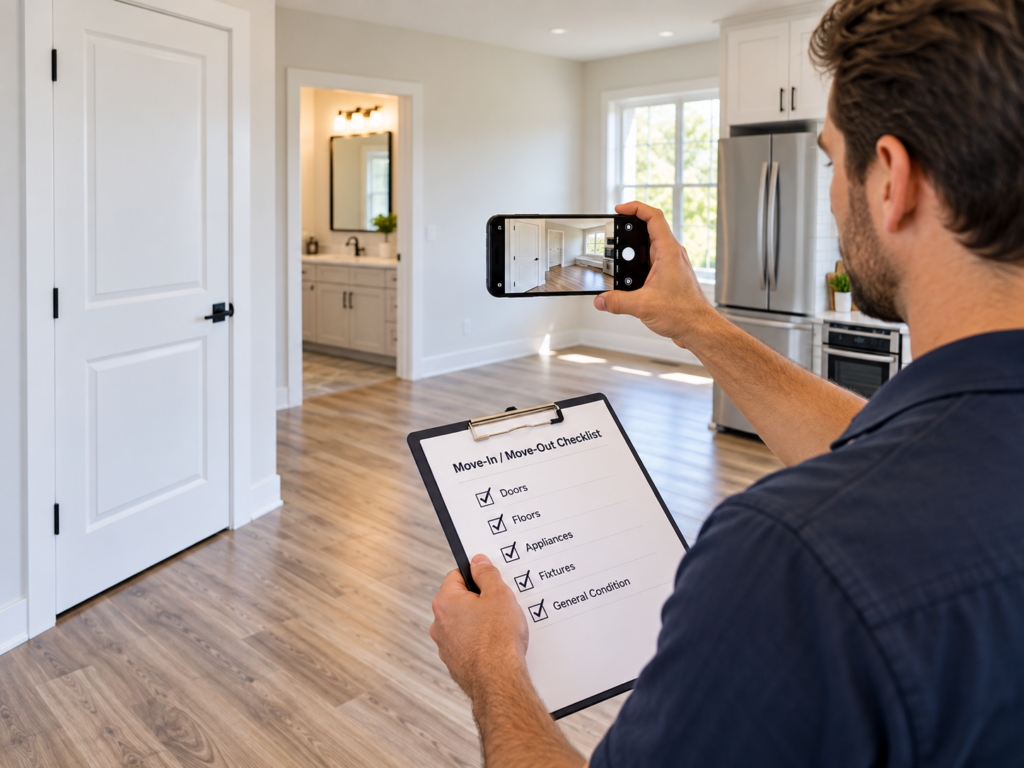
Fourth, keep the move in condition record. A signed inventory and condition form is helpful, but photographs and video can be just as important. Texas law does not make one particular move in form the only way to prove property condition. The goal is to create a clear baseline so you can later distinguish tenant damage from normal wear and tear. In DFW and North Texas, older homes may already show foundation movement, prior hail repairs, drainage issues, or dated finishes. A clear baseline can keep a small deposit dispute from becoming a larger argument.

Fifth, keep a written record of your security device and smoke alarm checks. Texas law has specific requirements for security devices, and Section 92.258 requires the landlord to determine that required smoke alarms are in good working order at the beginning of the tenant’s possession. During the tenancy, the smoke alarm inspection and repair duty generally follows tenant notice or a request. A short dated checklist, photographs, and vendor records give you a much better file than simply saying you remember checking everything.

Sixth, keep the locksmith invoice or other record showing when required locks were rekeyed. Section 92.156 generally requires keyed security devices to be rekeyed at the landlord’s expense no later than the seventh day after each tenant turnover date. If you use an in house locksmith or maintenance person, create a dated work record that shows what was done.

The Financial and Operational Records

Seventh, keep a current tenant ledger. It should show rent charges, payments, credits, fees, and how partial payments were applied. A clean ledger matters if the account becomes disputed, and it is especially useful if a nonpayment case ever reaches a Justice Court. The court may not require one particular software format, but a clear accounting is much easier to explain than a stack of receipts and bank screenshots.

Eighth, keep a maintenance file that follows each repair from request to completion. Save the tenant’s notice, your response, vendor communications, work orders, invoices, and photographs when they are useful. Under Section 92.052, a repair notice must be in writing only when the written lease requires written notice. Either way, once you know about a serious condition, your file should show what you did and when you did it. That matters during a North Texas heat wave, after a hailstorm, or during a hard freeze when vendors may be booked across the region.

Ninth, keep every formal notice you send to the tenant. That includes notices of lease violations, notices to vacate, nonrenewal notices, rent change notices, and any other notice required by the lease or law. Do not assume that a text message or casual email can replace a formal notice when the lease or statute requires a particular method.

Tenth, keep proof of delivery with the notice itself. For a Notice to Vacate, Texas Property Code Section 24.005 has specific delivery rules. Your file should preserve the evidence that matches the method you actually used, such as mailing records, tracking information, delivery documentation, or a dated record of personal delivery or posting when permitted. The notice and the proof belong together.

The Five Minute Test

A good landlord file does not need to look like a law office. It does need to be complete enough that you can answer a basic question without hunting for an hour. Pick one active property this week and see whether you can find these ten items in five minutes. If you cannot, fix the filing system before you need it in a Dallas, Tarrant, Collin, Denton, or other North Texas Justice Court, or in a tenant dispute.