Most small landlords learn the reserve lesson the expensive way. The property is leased, rent is coming in, and the monthly numbers look healthy. Then the air conditioner gives up in August. In DFW and North Texas, a long stretch of triple digit heat can turn that into a large repair bill at the exact time HVAC companies are busiest. If there is no reserve account, a business expense suddenly becomes a personal cash problem.
A reserve account does not make a rental more profitable. It keeps one repair from exposing how thin the profit really was. For a small landlord, that difference matters.
What the Reserve Account Is For
A reserve account is simply money set aside for the property before the property asks for it. It should be separate from the account you use for personal spending and separate from the checking account that collects rent and pays ordinary bills.
I like the separation because it removes temptation. If the money is sitting in the same account as everything else, it is easy to treat a strong month as extra income. A dedicated reserve makes the decision for you. That money already has a job.
How Much Should Be Sitting There
There is no single number that fits every rental. A newer house with a recently replaced roof, HVAC system, and water heater does not carry the same near term risk as a twenty year old house with original equipment.
A reasonable starting point is to hold enough liquid cash to cover at least one meaningful repair without borrowing. For many small landlords, one or two months of gross rent per property is a useful floor. From there, I would add a monthly contribution based on the age and condition of the expensive systems.
For example, suppose an HVAC system will probably need replacement within five years and you expect that job to cost about $9,000. Setting aside $150 per month gives you a real plan instead of a future surprise. Do the same exercise for the roof, water heater, flooring, and major appliances.
In DFW and North Texas, I would pay particular attention to cooling equipment, roof condition, drainage around the foundation, and any history of hail or storm damage. Long hot summers are hard on HVAC systems, North Texas hail can shorten the life of a roof or condenser, and expansive clay soil makes consistent drainage and irrigation worth watching.
Operating Reserve and Capital Reserve
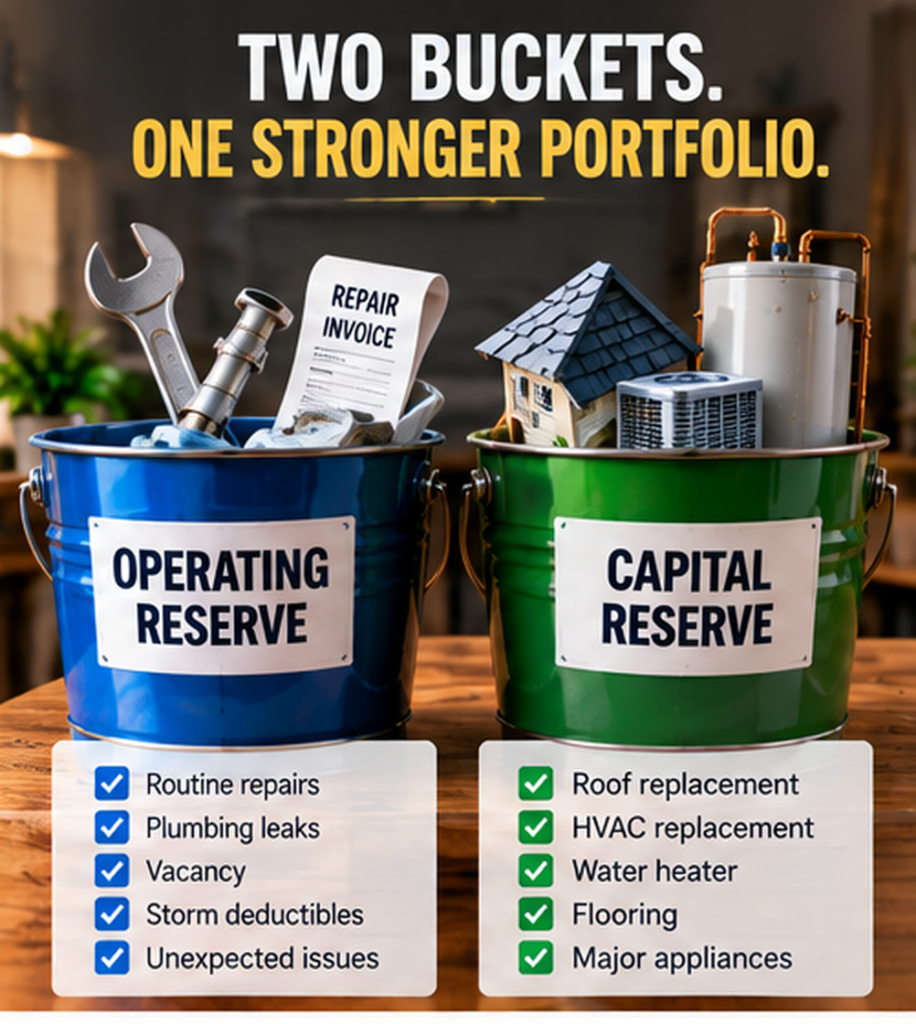
I think about reserve money in two buckets even if it sits in one account. The first bucket is for ordinary surprises. A plumbing leak, a broken garage door, a vacant month, a hail deductible, or an emergency repair after a hard freeze belongs here.
The second bucket is for replacements you can see coming. A fourteen year old water heater is not really an emergency. Neither is an aging roof. You may not know the exact month the expense will arrive, but you know the expense is coming.
That distinction changes how you read cash flow. If the property produces $500 a month before reserves but really needs $250 a month set aside for future work, I would call it a $250 cash flow property. The other $250 belongs to the house.
Why Credit Cards Are a Bad Reserve Plan
A credit card can solve a timing problem, but it is a poor substitute for reserves. Financing an HVAC replacement or a major plumbing repair adds interest to an expense that was already expensive. It also leaves the landlord rebuilding personal cash at the same time the property may have another issue.
Reserves protect more than the current property. They protect your ability to make the next investment decision from a position of strength. A landlord who has just drained personal savings to repair one house is less likely to move on a good opportunity when it appears.
If You Are Starting From Zero
Do not wait until you can fund the perfect reserve. Open the account and start. Put in one month of rent if you can. If you cannot, choose a fixed amount from every rent payment and increase it as the property becomes stronger.
The key is consistency. A landlord who moves $200 into reserves every month is building a real business habit. A landlord who plans to save whatever is left over at the end of the month usually finds that very little is left.
The Number I Would Protect
If I owned a small rental portfolio in DFW and North Texas, the reserve balance would be one of the first numbers I checked. Not because I expect something to go wrong every month, but because North Texas heat, hail, freezes, and normal property wear eventually put every house to the test. A good reserve lets the repair stay a property expense instead of becoming a personal emergency.
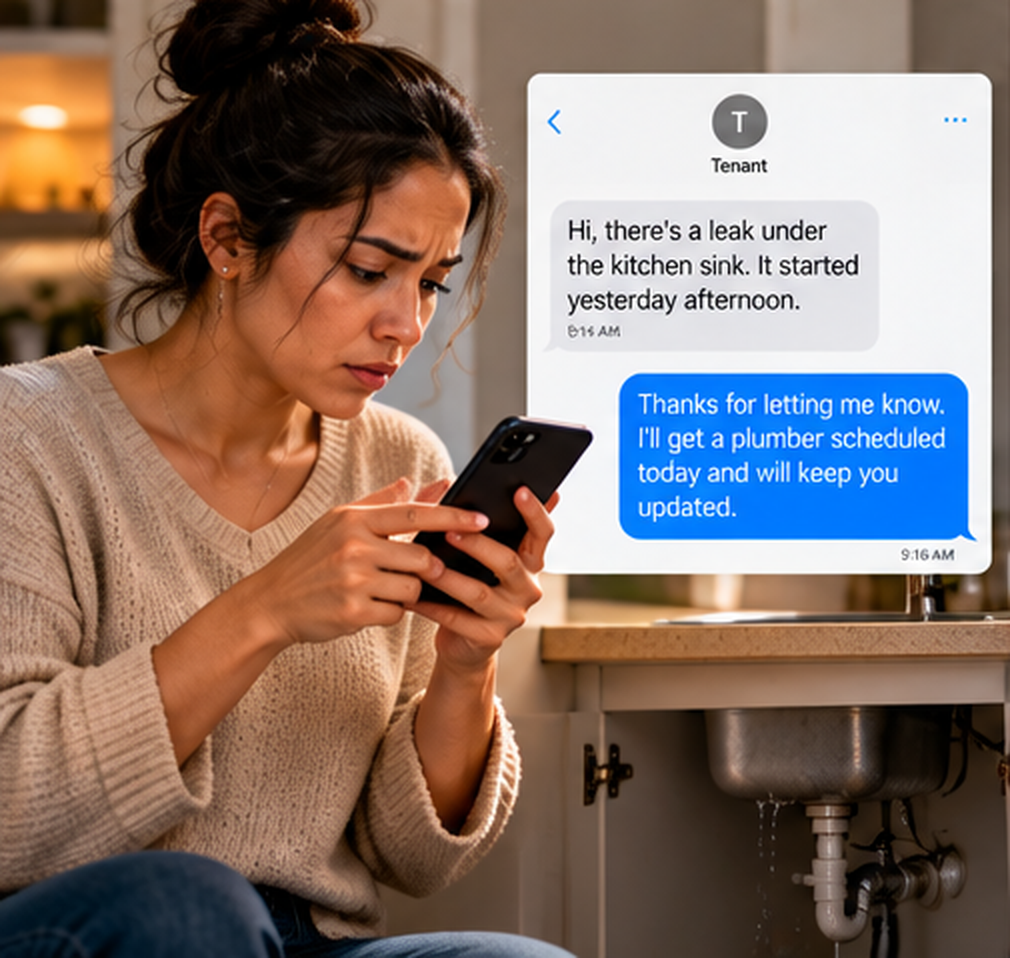
Most small landlords do not fall behind because they are lazy or careless. They fall behind because rental property has a way of interrupting the rest of life. A tenant texts about the AC, a vendor needs an answer, rent is late at another house, and suddenly the week is being run from your phone.
The fix is not another app or a bigger spreadsheet. What helps most is a routine. I like a simple thirty minute check in once a week. It gives you a set time to look at the whole business instead of only looking at the problem that happens to be loudest that day.
Welcome back to “Ask a Property Manager.” Today we are talking about the Weekly Landlord Check In.
The Setup
Pick a day and time you can actually keep. Sunday evening works for some landlords. Others would rather do it early Monday morning before work. The exact day does not matter. The habit does.
For thirty minutes, stop answering tenant messages and stop trying to solve repairs. Open your ledger, calendar, maintenance notes, and anything else you use to track the properties. The point is to look at the portfolio as a manager, not as the person reacting to the latest repair.
The Rent Roll Review
Start with the money. Check who has paid, who still has a balance, and whether anything in the ledger needs attention.
If a balance is past due, compare it with the lease and your normal collection process. Send the reminder or notice your process calls for and document what you sent. The important part is consistency. A small balance is much easier to deal with early than after several weeks of missed follow up.
The Lease Expiration Audit
Next, look ahead. I usually want at least the next ninety days in front of me. Which leases are coming up for renewal? Which tenants still need a conversation? Which homes may need work before the next lease starts?
That look ahead matters in DFW because rental conditions can change quite a bit from one part of North Texas to another. A house in Dallas may be competing with a different group of rentals than a house in Fort Worth, Arlington, Frisco, McKinney, or Denton. Give yourself enough time to look at the local market, decide what you want to offer, and communicate before the deadline is sitting on top of you.
Catching an expiration early also gives you time to prepare for a turnover if the tenant plans to leave. You can line up paint, cleaning, landscaping, or other work instead of trying to book everyone after the keys are already back in your hand.
The Maintenance Sweep
Start with anything that is still open.
Then review every open maintenance item. Did the HVAC technician finish the repair, or are they waiting on a part? Did the tenant confirm the system is cooling again? Did the roofer check the shingles after the last hailstorm? Is the fence still leaning after high winds? Did you receive the invoice from the plumber?
This is where a weekly check in earns its keep. A repair can look finished from your side because the vendor was dispatched, while the tenant is still waiting for the last step. A quick review catches those loose ends before they turn into another phone call or a frustrated tenant.
The Peace of Mind
When the thirty minutes are up, close the laptop.
You should know where the rent stands, which leases need attention, what repairs are still open, and what you need to handle next. That is enough.
A lot of landlord stress comes from wondering what you forgot. A weekly check in does not make every problem disappear, but it gives you one dependable place to catch things before they drift.
Try it for a month. Thirty quiet minutes once a week can make a small portfolio feel much more manageable.
Please subscribe to unlock this content. Enter your email to get access.
A small rental portfolio can become surprisingly complicated without ever becoming large. You may only own three houses, but those three houses still produce rent payments, maintenance requests, leases, invoices, inspection photos, renewals, vendor appointments, and tax records. If that information is spread across a phone, a paper folder, three spreadsheets, and whatever you happen to remember, the portfolio will feel bigger than it really is.
Welcome to Rental Technology. The goal of this section has always been simple: use technology where it makes landlording easier, and skip it where it only creates another thing to manage. This month, we are building a practical tech stack for the small landlord. Not the biggest stack. Not the most impressive stack. Just the set of tools that keeps the business organized and gives you back some time.
The software market makes this harder than it needs to be. You can find platforms for screening, rent collection, accounting, maintenance, electronic signatures, messaging, inspections, smart access, marketing, and reporting. Some combine nearly all of those functions. That does not mean you need all of them on day one. A landlord with a few single family rentals in DFW and North Texas needs technology that matches the size and complexity of the operation, not the feature list of a regional management company.
The Problem with Overbuying Software
Overbuying usually starts with a good intention. You want to become more organized, so you choose a platform that promises to handle everything. Then setup takes longer than expected. Half the features do not apply to your portfolio. The monthly fee keeps running, and you still manage the most important tasks the old way because the system feels like too much trouble.
A better approach is to start with the jobs that repeat. If you collect rent every month, that process should be digital. If maintenance requests arrive throughout the year, they should go into one trackable place. If you need leases, invoices, and inspection photos later, those records should be stored where you can find them. Technology earns its place when it reduces a repeated problem.
For a small landlord, the goal is not to build an impressive software stack. It is to stop important information from living in memory. The fewer properties you own, the more tempting it is to say, I can keep track of that. That works until two AC calls, a hail damaged roof, a renewal, and a late payment all show up in the same week.
The Core Functions You Should Digitize
Before choosing a platform, separate the business into a few basic functions. Most small landlords need a dependable system for payments, maintenance, documents, finances, and communication. Leasing and screening may be part of the same platform or may live in separate tools. Either way, each function needs one clear home.
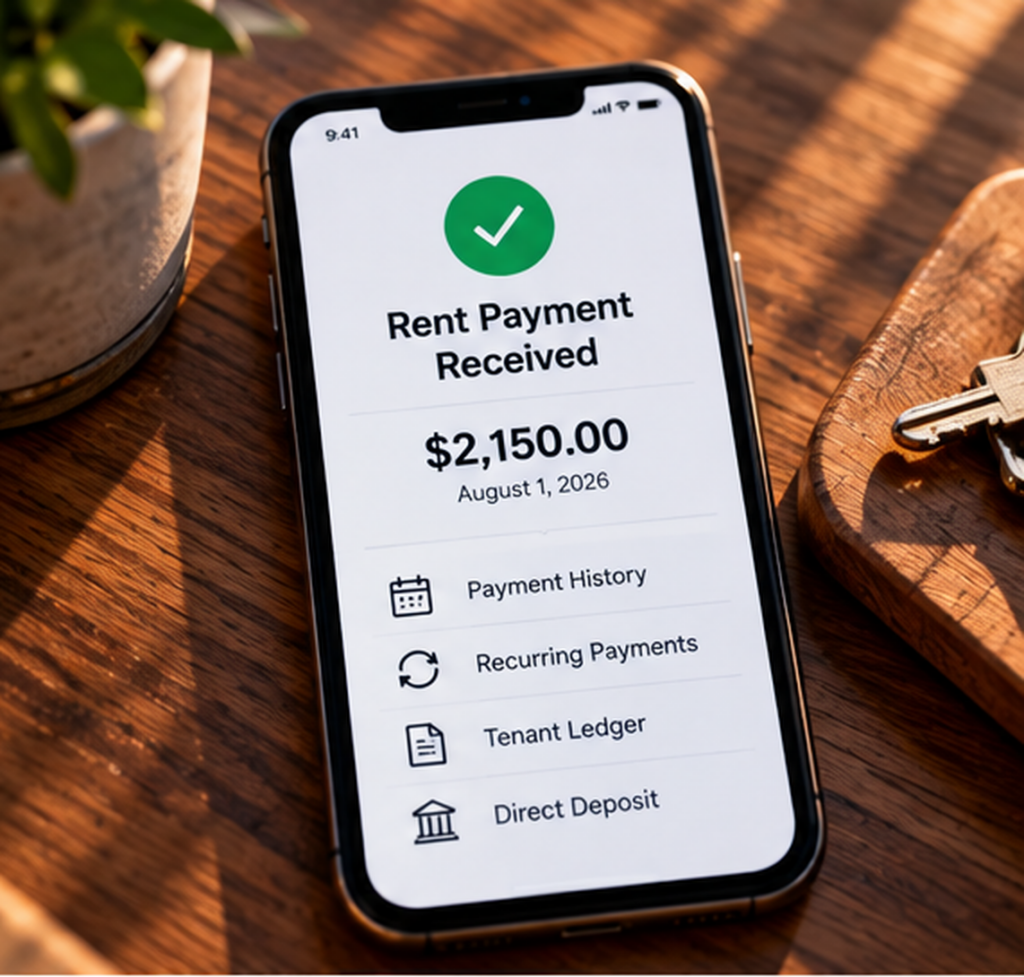
Rent collection is the easiest place to start. Online payment systems create a clearer payment record and eliminate the need to pick up or deposit checks. Zillow Rental Manager currently offers online rent payments and recurring payment options, while Stessa and other landlord platforms also offer payment tools. Use the system that fits your lease and banking setup, and keep the payment history with the rest of the property records.
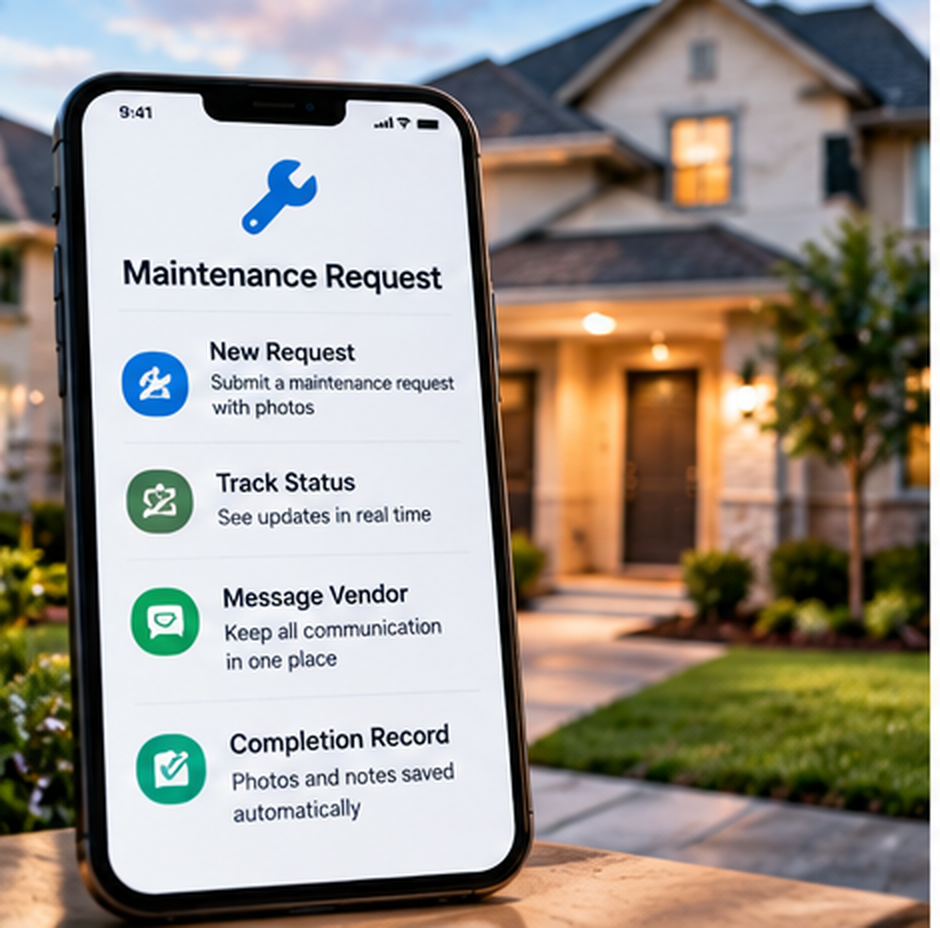
Maintenance needs a trackable intake process. For one or two homes, that may be an online form connected to a spreadsheet or task board. For a larger small portfolio, a tenant portal with work orders may be worth the cost. The important part is that requests have a received date, a status, vendor information, and a completion record. During a long North Texas summer, that becomes especially valuable when cooling, irrigation, plumbing, roof, and storm related calls begin stacking up.
Document storage is the next basic function. Leases, addendums, notices, invoices, warranties, and inspection photos should not be scattered across email and a personal camera roll. A structured cloud drive works well for many small landlords. Create one master folder per property and use the same subfolders in each one so you never have to remember where you saved something.
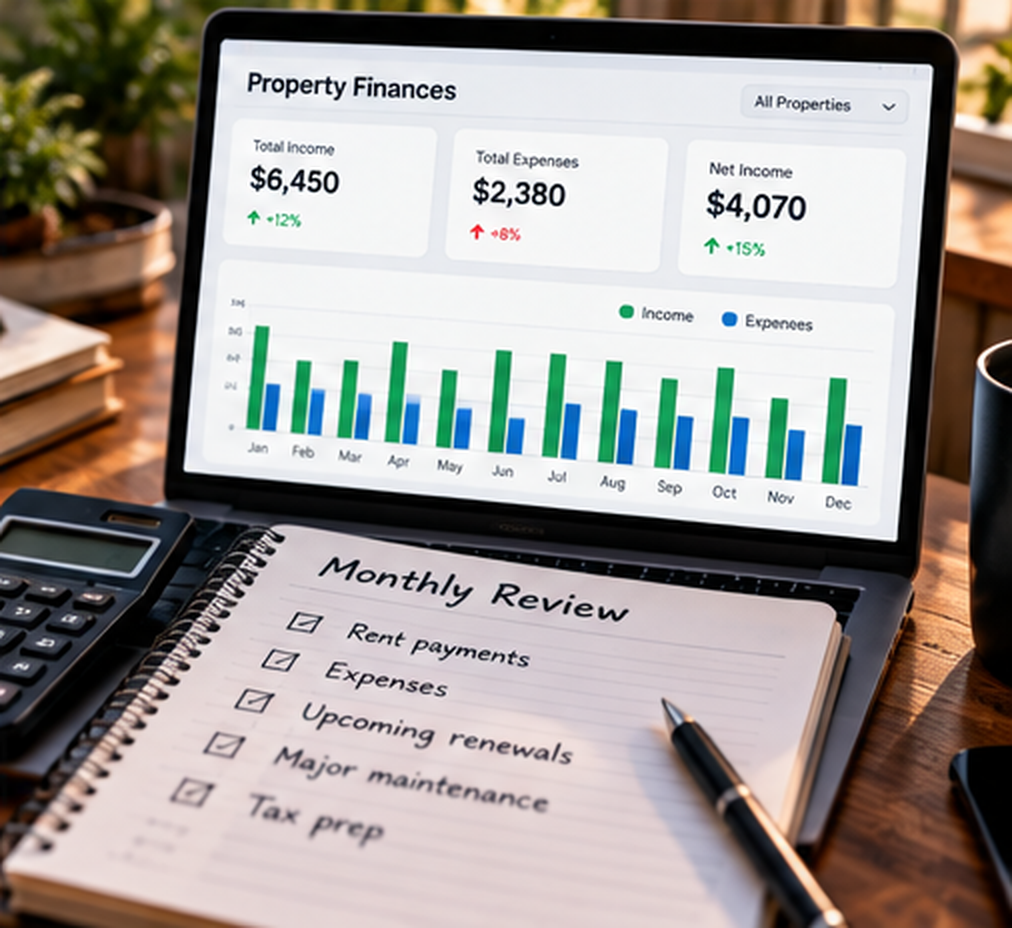
You also need a financial ledger that shows income and expenses by property. A spreadsheet can work if it is updated consistently. Rental focused tools such as Stessa can import bank transactions and assign them to a property, while general accounting software may make more sense if you already use it for another business. The best choice is the one you will reconcile regularly.
The Entry Level Tech Stack
If you own one to five properties, you may not need a full property management platform yet. A lean setup can cover most of the work without turning software into another monthly overhead item.
For payments, choose one online rent collection system and route the deposits to the proper rental bank account. Do not make tenants guess whether this month you want a check, a peer to peer payment, or an app transfer. Consistency makes the record cleaner for everyone.
For maintenance, a simple online form can be enough. Ask for the property address, a description of the problem, photos when useful, and the best contact information. Send those responses to a spreadsheet or task board so the request can move from new to scheduled to completed. The form is not a substitute for an emergency procedure, but it keeps routine work from disappearing in text messages.
For documents, use a business cloud storage account and one repeatable folder structure. Keep executed leases separate from drafts. File invoices under the property. Move inspection photos out of the camera roll. If you can retrieve the full history of a house from your phone while standing at the property, the system is doing its job.
For accounting, start with the simplest tool you can maintain accurately. If that is a spreadsheet, update it every week. If you want bank imports and property level reporting, use a rental accounting tool. The goal is not to automate every accounting decision. It is to avoid reaching tax season with twelve months of uncategorized transactions.
When a Full Property Management Platform Starts to Make Sense
As the portfolio grows, separate tools can create their own friction. You may have the payment record in one place, the maintenance history in another, lease documents in cloud storage, and accounting somewhere else. At some point, the time spent moving between systems becomes more expensive than the monthly cost of combining them.
Platforms such as Buildium, AppFolio, TenantCloud, and others combine several functions into one environment. The feature mix and pricing vary, so the right time to move is not tied to a magic property count. It depends on volume. If you are spending too much time copying the same information between systems, tracking open work orders manually, or checking several places to answer one tenant question, an integrated platform may be worth testing.
The biggest advantage is usually not a flashy feature. It is having the payment, communication, maintenance request, document, and tenant record connected. A tenant can submit a work order, you can assign or track the repair, and the history stays with the property. That is useful anywhere, but it matters even more when your rentals are spread across Dallas, Fort Worth, Arlington, Frisco, Denton, or other parts of the Metroplex and you are coordinating vendors from a distance.
Do the math before upgrading. Add the monthly software cost and any optional fees you expect to use. Then compare that cost with the time it saves, the duplicate work it eliminates, and the mistakes it helps prevent. A platform that saves several hours every month may be inexpensive. A platform you rarely open is expensive even if the subscription looks cheap.
The Communication Layer
A separate communication channel belongs in almost every landlord tech stack. That does not mean buying another phone. It means giving the rental business its own number, email address, or messaging portal so tenant communication does not disappear into personal conversations.
Google Voice and other virtual phone services can route a business number to the phone you already carry. Google Voice can manage call availability around working hours when configured with the appropriate settings. A property management portal may provide messaging as part of the system. Pick one primary channel for routine communication and tell tenants how to use it.
Keep emergency instructions separate from ordinary business hours. A tenant should know what requires immediate action, what should go through the maintenance process, and when a routine call will be returned. Technology can support those boundaries, but it cannot replace clear instructions in the lease, move in materials, and your normal operating process.
Smart Home Tools That Actually Help
Smart home devices are optional, and that is important. A landlord does not need to turn every rental into a connected house. Add the devices that solve a real management problem and skip the ones that create more accounts, batteries, subscriptions, and support calls.
A smart thermostat can be useful during vacancy, especially through the long North Texas cooling season and during cold snaps. It can help you verify that the system is operating and review temperature settings without driving to the property. That can be useful when a house is vacant during extreme heat or a hard freeze, though it should not be treated as a substitute for an HVAC inspection or proper winter preparation. Tenant use should be addressed clearly before installation.
Smart access can also be useful for vendor coordination and turnovers, but do not assume it eliminates every physical key or rekeying obligation. Texas security device requirements still apply. Use smart locks as an access tool within a compliant security setup, and have a backup plan for power, connectivity, and device failure.
Keep the Stack Flexible
Software changes. Pricing changes. Features move between plans. A tool that fits three properties may not fit eight. Build the system so you can move your information if you need to. Before committing to a platform, check whether you can export rent history, maintenance records, tenant data, and financial reports in a usable format.
Also avoid building a workflow that depends on one clever automation no one remembers how to fix. Automation is most valuable when the underlying process is already clear. If your maintenance procedure is inconsistent, automating it only makes the inconsistency faster.
Technology should support the way you manage the property. It should not decide your policies for you. Write down how you handle rent, repairs, renewals, documents, and vendor access. Then choose tools that make those steps easier to repeat.
For a small DFW and North Texas portfolio, that may mean a payment platform, a business phone number, a cloud drive, a maintenance form, and a simple accounting system. Later, it may mean one integrated property management platform. Either version can work. The right tech stack is the one that gives every important task a clear place to go and still feels simple enough that you will use it every week.
Please subscribe to unlock this content. Enter your email to get access.
Preventive maintenance looks different when you own three rental houses instead of three hundred apartments. A large property company may have an in house maintenance crew, spare equipment, and someone watching work orders all day. A small landlord usually has a day job, a handful of trusted vendors, and a budget that feels every major repair.
Welcome to Maintenance Matters. This column is for the independent landlord who needs a maintenance system that is realistic enough to keep using. The goal is not to eliminate repairs. Houses age, equipment fails, storms happen, and tenants call at inconvenient times. The goal is to reduce the number of surprises and catch more problems while they are still small.
The Reality of a Small Portfolio
When you only own a few houses, one repair can change the numbers for the entire year. A failed air conditioning system, major plumbing leak, roof problem, or foundation repair on one property is not spread across a hundred units. It lands directly on your cash flow. That is why preventive maintenance matters so much for the small operator.
The best maintenance systems are not complicated. They are repeatable. You need a seasonal calendar, a consistent way to inspect the houses, a short list of vendors you trust, and tenants who know what to report. If those four pieces are working, you are already ahead of most reactive landlords.
Building the Annual Maintenance Calendar
A preventive system starts with a calendar. Put the recurring tasks on it before the season arrives. DFW and North Texas have long cooling seasons, intense summer heat, severe thunderstorms, hail, high winds, dry stretches, and occasional hard freezes. Your calendar should reflect those conditions rather than using the same checklist every month.
Spring Preparation
Spring is the best time to prepare the air conditioning system before technicians become overloaded. Schedule the type of professional service appropriate for the equipment, clear debris around the condenser, confirm the filter size, and make sure condensate drainage is working. In North Texas, long run times make airflow and drainage both important. A clogged drain, restricted airflow, or poorly draining pan can create a water problem even when the system is still producing cold air.
Spring is also a good time to walk the exterior. Look at roof edges, flashing visible from the ground, fascia, siding, sealant, fencing, gutters, and drainage paths. Trim vegetation away from the house and outdoor equipment. Make sure downspouts discharge where intended and look for low areas that repeatedly collect water. Hail and severe thunderstorms will expose weak roof, fence, and drainage areas eventually, so spring is the time to correct the obvious ones before the busiest weather arrives.
Summer Stress
By midsummer, the house is under constant heat stress. HVAC calls become the obvious concern, but do not ignore irrigation, drainage, roof penetrations, exterior sealant, and soil conditions around the slab. Long dry periods can stress landscaping and expose irrigation problems, while a sudden severe thunderstorm can test the roof and drainage system in a matter of minutes. Keep drainage paths open and correct recurring ponding rather than waiting for the next storm.
Inside, pay close attention to condensate lines, drain pans, and signs of moisture near the air handler. If a tenant reports water near indoor HVAC equipment, treat it as a maintenance issue even if the system is still cooling. Look for staining around vents, damp material near the equipment, or repeated drain backups. Check attic access areas for obvious signs of roof leakage or pest activity when you are already there, but leave electrical, mold, and structural diagnosis to qualified professionals.
Small leaks often show up gradually. A cabinet may swell before water is obvious, and mineral deposits around a fitting can distract from a slow seep. During routine visits, look for staining, soft material, rust, corrosion, or changes around supply connections, toilets, tubs, showers, and water heaters. The goal is not to label every mark as a major problem. It is to investigate recurring moisture before it becomes a larger repair.
Fall Recovery
When the worst heat begins to ease, use fall to catch what summer and severe weather exposed. Look for cracked exterior sealant, damaged screens, fence movement, sun worn paint, roof concerns after hail or wind, stressed landscaping, irrigation leaks, and temporary repairs that were made during the busiest part of the year. This is also a good time to review the repair log and see whether one property is generating the same drainage, HVAC, fence, or exterior call again and again.
Clean gutters where the property has them and check downspout discharge. North Texas storms can drop a lot of water quickly, and many properties also go through long dry stretches. Keeping roof water moving away from the house and correcting recurring ponding matters more than making the yard look perfect. If you see erosion, standing water near the house, a downspout emptying against the slab, or drainage repeatedly moving toward an exterior wall, put it on the correction list before the next storm.
Winter Readiness
North Texas winters are often manageable, but hard freezes still happen. Do not wait for the forecast to turn urgent before figuring out where the shutoff valve is. Make sure the tenant knows its location and that the valve is accessible. Protect exposed plumbing as appropriate for the property and climate, and give tenants clear freeze instructions before cold weather arrives.
This is also a good time to check exterior hose connections, damaged pipe insulation, and vacant property procedures. A vacant rental can be more vulnerable during a freeze because no one is there to notice a small leak or loss of heat. The same is true after a hailstorm or severe wind event. If a house is between tenants, add it to your weather check routine rather than assuming an empty house can wait until the next turnover visit.
Use Regular Walkthroughs
A seasonal calendar works better when you pair it with regular property visits. Quarterly is a useful target for some landlords, while others may use a different schedule based on the lease, property condition, and how often they are already on site. The important part is consistency and proper notice before entry.
During a walkthrough, look for the quiet problems tenants may not report. Open sink cabinets and check for staining or swelling. Look at tub and shower caulk. Check around toilets and water heaters for moisture. Look at filters, visible drain pans, ceilings, window areas, and exterior doors. Take a few photos so you have something to compare next time.
Smoke alarms should also be part of your normal property safety process. Follow Texas requirements and the manufacturer’s instructions for the devices installed in the home. Do not assume every detector or battery follows the same replacement schedule. If a device is damaged, missing, expired, or not functioning as expected, correct the issue promptly.
Make the Tenant Part of the System
You cannot see the property every day, so the tenant is an important part of preventive maintenance. At move in, show them how to submit a repair request and what deserves immediate attention. Point out the main water shutoff, the breaker panel, the HVAC filter location if they are expected to handle filters, and any property specific items they need to know.
Explain that you want to hear about small leaks, ceiling stains, toilets that keep running, unusual electrical smells, water near the HVAC equipment, doors that suddenly stop lining up, new cracks that change, and drainage that behaves differently after a storm. A tenant should not be asked to diagnose the cause. Their job is to notice the change and report it.
Clear communication also helps with routine responsibilities. If the lease assigns lawn care, filter changes, pest control, or another task to the tenant, explain the expectation at move in instead of waiting for a problem. Then document the conversation and provide simple written instructions.
Build a Vendor Bench Before the Emergency
Prevention does not mean you will never need an emergency repair. It means you should know who you are calling before it happens. Keep at least one reliable contact for HVAC, plumbing, electrical, roofing, fencing, and general repairs. If your properties are spread between Dallas, Fort Worth, Arlington, Plano, Frisco, McKinney, Denton, or other parts of North Texas, confirm which areas each vendor actually serves and whether travel charges apply.
A second option for the most important trades is useful during heat waves and storm recovery, when good vendors can be booked for days. After a widespread hail or wind event, the best roofer, fence contractor, or HVAC company may simply have more calls than it can handle quickly. Keep license and insurance information where appropriate, along with notes about pricing, communication, service area, and the type of work each vendor handled well.
Do Not Forget the Small Recurring Items
Preventive maintenance is not only about major systems. Small recurring items deserve a place on the calendar too. Filters, exterior sealant, clogged drains, pest entry points, loose fence boards, damaged weather stripping, irrigation leaks, and blocked roof or yard drainage are inexpensive compared with the damage they can cause when ignored. Group several small tasks into one scheduled visit so you are not driving across the Metroplex for every minor item.
Vacant houses need their own routine. During a turnover, check for active leaks, confirm the HVAC is operating appropriately for the season, verify that exterior doors and windows are secure, and walk the property after major storms or freezes. A house with no tenant has no one inside to notice a ceiling stain, running toilet, tripped breaker, HVAC drain backup, roof leak, fence damage, or water collecting near an exterior wall.
Track What the House Is Telling You
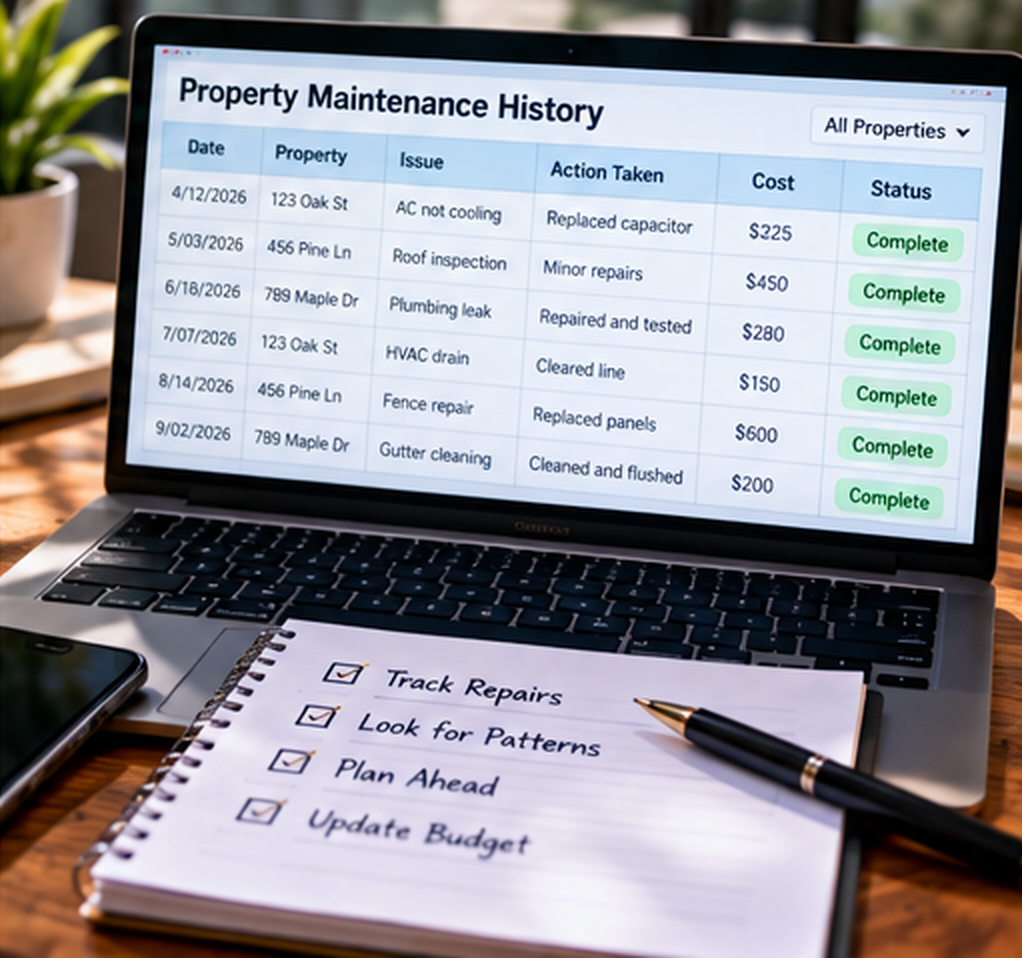
A preventive maintenance system should get smarter over time. Keep a simple maintenance history for each house. If the same drain clogs every six months, the same crack changes after dry periods, the same yard area holds water after storms, or the same air conditioning unit needs repeated service, stop treating each event as unrelated. Repetition is information.
The record also helps with budgeting. An older HVAC system with repeated repair calls, a roof with recurring leak or hail history, a drainage correction that keeps getting postponed, a fence that needs another patch, or an irrigation system that repeatedly fails may be telling you to plan for replacement or larger work. Scheduled capital work is easier to manage than an emergency purchase made during a heat wave or immediately after a storm.
A System You Can Actually Keep
The best preventive maintenance plan is the one you will still use a year from now. Put seasonal tasks on the calendar, visit the houses consistently, train tenants to report changes, and keep a reliable vendor list and property history. For a small DFW or North Texas landlord, those habits make repairs easier to manage and reduce surprises.