Home Blog Page 7

Who Changes Filters, Batteries, and Light Bulbs?

Some of the smallest items in a rental house create the most repetitive maintenance calls. The air conditioner feels weak. A vendor opens the return and finds a filter that looks like a welcome mat. A smoke alarm starts chirping at midnight. A porch light goes out. Everyone agrees these are minor items. The disagreement starts when nobody knows whose job they are.

For a DFW or North Texas landlord, these little tasks matter because they sit in front of much bigger systems. A ten dollar filter can affect an air conditioner that is already working against a long hot season, dust, pollen, and heavy use. A battery can be part of a life safety device. A burned out bulb can be routine, or it can be the first sign of an electrical problem.

Do not leave the line fuzzy. Separate simple replacement from actual repair, put the responsibility in writing, and show the tenant how the property works before you hand over the keys.
Filters Protect the Most Expensive System in the House

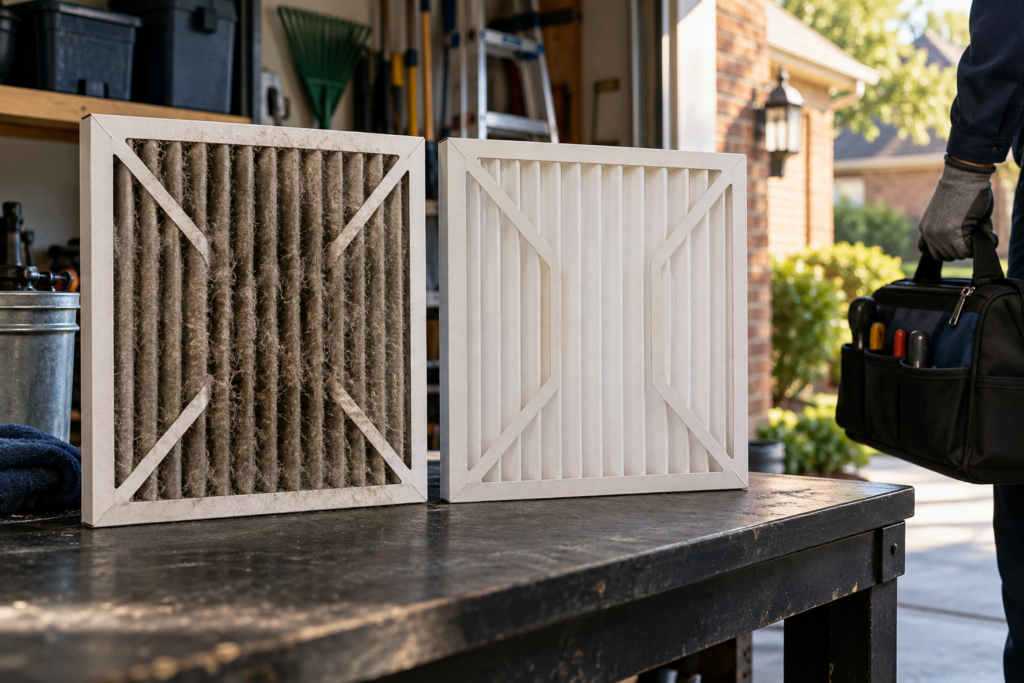
Across DFW and North Texas, HVAC systems work hard through a long cooling season, and dusty stretches can load a filter faster than a tenant expects. That makes filter care more than a housekeeping detail. A badly clogged filter can restrict airflow, strain the equipment, and contribute to frozen coils or avoidable service calls right when every air conditioning company in town is already busy.

Your lease should say who supplies the filter, who installs it, and how often it is changed. If you provide filters, deliver the correct size on a schedule. If the tenant buys them, give the exact size and show them where the filter goes. Do not write, “change filters regularly,” and assume that means the same thing to everybody.

Keep the task safe. If the filter is behind a ceiling grille that requires a tall ladder or tools, that is not a good tenant responsibility. Move the filter location if practical or make the change part of your own maintenance routine.

The tenant can be responsible for routine filter care and quick reporting. You are still responsible for diagnosing the system. If the unit stops cooling during a triple digit North Texas August, get the equipment checked first. Do not decide the tenant caused the problem before a technician has looked at it.

Batteries Are Part of a Safety System

Smoke alarms and carbon monoxide alarms deserve a firmer rule than ordinary household items. A tenant may be able to replace a simple battery, but that does not make the alarm itself their responsibility.

Show the tenant which devices use replaceable batteries and what a normal low battery chirp sounds like. Tell them to report a detector that continues to chirp after a fresh battery. They should never remove the unit, disconnect wiring, cover the detector, or decide the alarm is simply annoying and leave it disabled.

Test the devices at move in and during your regular property visits. Replace expired or failed units yourself. The tenant can handle a battery when the task is simple and safe. You still own the safety system.

Light Bulbs Have a Practical Limit

A standard bulb in a normal bedroom or kitchen fixture is usually a reasonable tenant task. The rule should stop the moment the job becomes unsafe or technical.

Do not ask a tenant to climb a tall ladder to reach a foyer fixture or an exterior light mounted high under an eave. Do not expect them to identify specialty bulbs, remove a hardwired fixture, or troubleshoot a light that flickers, sparks, trips a breaker, or stays dead after a new bulb is installed. Those are maintenance calls.

If the house uses unusual bulbs, leave a labeled spare or list the bulb type in the move in guide. You do not need a vendor call every time a standard bulb burns out. You also do not need a tenant standing on a dining chair trying to reach a twelve foot ceiling.

Make the Handoff in Person

The lease sets the rule. The walkthrough makes the rule usable.

At move in, show the tenant the filter location, detector test buttons, maintenance contact method, and any fixture that uses an unusual bulb. Hand them a one page sheet with the filter size and the small items they are expected to replace. Then tell them what you want reported instead of handled.

That two minute conversation saves months of confusion. In a small portfolio, you do not have a maintenance department to answer the same question ten different times. Build the answer into the property from day one. Filters get changed, alarm problems get reported, and the tenant knows when a small task has crossed the line into a real repair.


How to Plain English Lease Terms Tenants Actually Understand

0

A lease does not become stronger just because every sentence sounds like it belongs in a courtroom. If a tenant has to stop and translate a rule before they know what to do, the landlord may spend the rest of the tenancy explaining what the clause was supposed to mean.

For DFW and North Texas landlords, plain English is especially useful because many of the issues that create friction are practical ones. Lawn care, air conditioning, water leaks, pets, parking, utilities, and access all sound simple until the lease leaves two people with different ideas about the same responsibility.

Plain English does not mean casual language. It does not mean stripping out protections or rewriting statutory language that belongs in a Texas lease. It means making your own rules clear enough that a reasonable tenant can understand the action required, the timing, and the process for complying.

Start With the Action

Most confusing lease clauses describe a general expectation instead of an actual task.

Take the phrase, “Tenant shall maintain the premises in good condition.” That sounds responsible, but it does not tell the tenant whether they must change air filters, mow the lawn, report a dripping toilet, keep irrigation running, or avoid pouring grease into the kitchen drain.

When you add a custom rule, start with the action. Who is responsible? What exactly must they do? When must they do it? How should they report a problem?

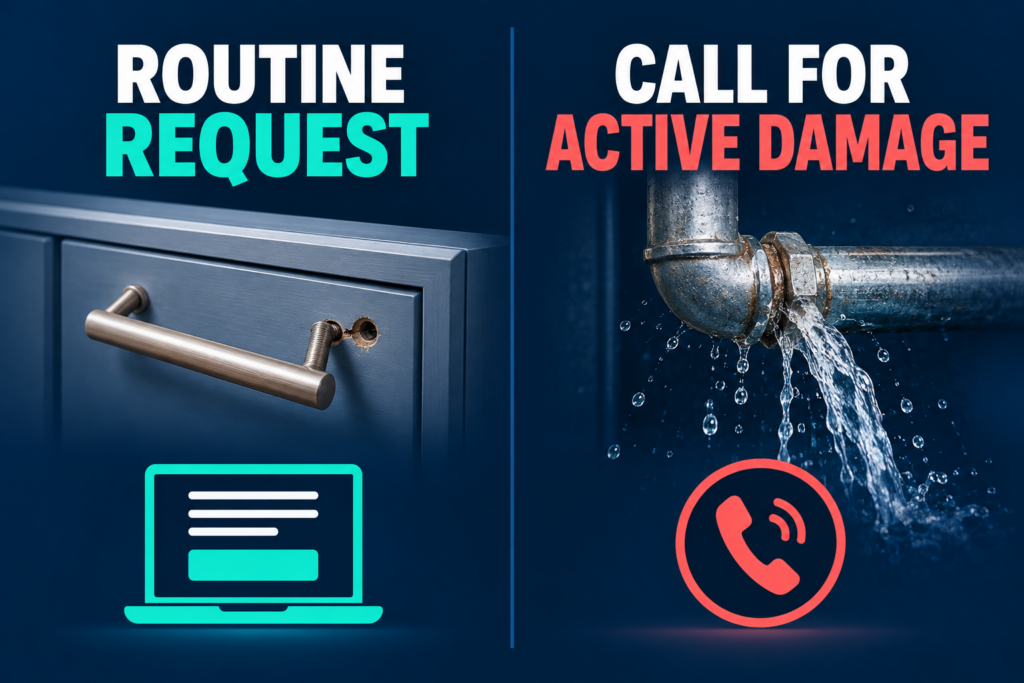
A lawn clause is much easier to follow when it says who handles mowing, edging, watering, and notice of irrigation problems. That matters in North Texas neighborhoods where HOA standards, irrigation systems, summer heat, and watering restrictions can affect yard maintenance. A repair clause is stronger when it tells the tenant where to submit a request and when a phone call is necessary instead of a routine portal message.

The tenant should be able to read the sentence and know the next step.

Replace Vague Words With Useful Details

Words such as promptly, reasonable, adequate, excessive, and proper appear in leases for a reason. Sometimes the law or a standard form uses them. The problem comes when a landlord relies on those words to carry an entire custom policy.

If you want a tenant to report a water leak, do not stop at “report leaks promptly.” Explain the process. The lease or move in instructions can say that leaks, water intrusion, or plumbing failures should be reported through the normal maintenance channel as soon as they are discovered, and that active water flow or immediate property damage requires a call.

That distinction is useful across North Texas, where a small plumbing problem can become an expensive repair quickly if water keeps moving through a wall, cabinet, or floor.

The same principle applies to cleanliness and access. If you mean trash must be removed regularly and conditions that attract pests are not allowed, say that. If nonemergency entry notices are usually delivered by text, email, or the resident portal, identify the method you actually use.

Use Examples Without Making a Closed List

Examples are helpful because they show a tenant what a rule looks like in real life. The mistake is writing an example as though it covers every possible situation.

An alterations clause might say that written approval is required before painting, mounting a television, installing shelving, changing a light fixture, or adding a lock. Then make clear that approval is also required for other changes affecting walls, surfaces, fixtures, or systems.

The same approach works with emergencies. Active leaks, gas odors, electrical burning smells, and a complete loss of air conditioning during dangerous North Texas heat are useful examples of conditions that require immediate attention. They are examples, not the only situations that can affect health, safety, or continuing property damage.

Do Not Rewrite Legal Language Just to Make It Friendlier

Some lease provisions exist because a statute, standard form, disclosure, or other legal requirement calls for specific language. Those sections should not be casually rewritten in an effort to make the document sound warmer.

If a provision has been drafted or reviewed for legal effect, keep it intact. You can explain the practical meaning in a move in packet, house guide, or separate plain English instruction sheet. The lease supplies the legal rule. The supporting material explains how that rule works in daily life.

That is especially important when a custom policy affects money, access, maintenance, occupancy, or another material part of the tenancy. Those are not good places to improvise.

Read It Like a Tenant Would

Before using a custom clause, read it out loud. Would a new tenant know what they are expected to do? Would they know the deadline, the contact method, and the approval process if one is required?

If not, the clause is not finished.

A DFW landlord does not need a lease that sounds impressive. The landlord needs a lease that can be followed on an ordinary Tuesday and still make sense when there is a repair problem, a missed payment, or a disagreement. Plain English helps because it removes one common source of conflict: two people reading the same sentence and walking away with different instructions.

How Better Lease Terms Reduce Turnover Costs

0

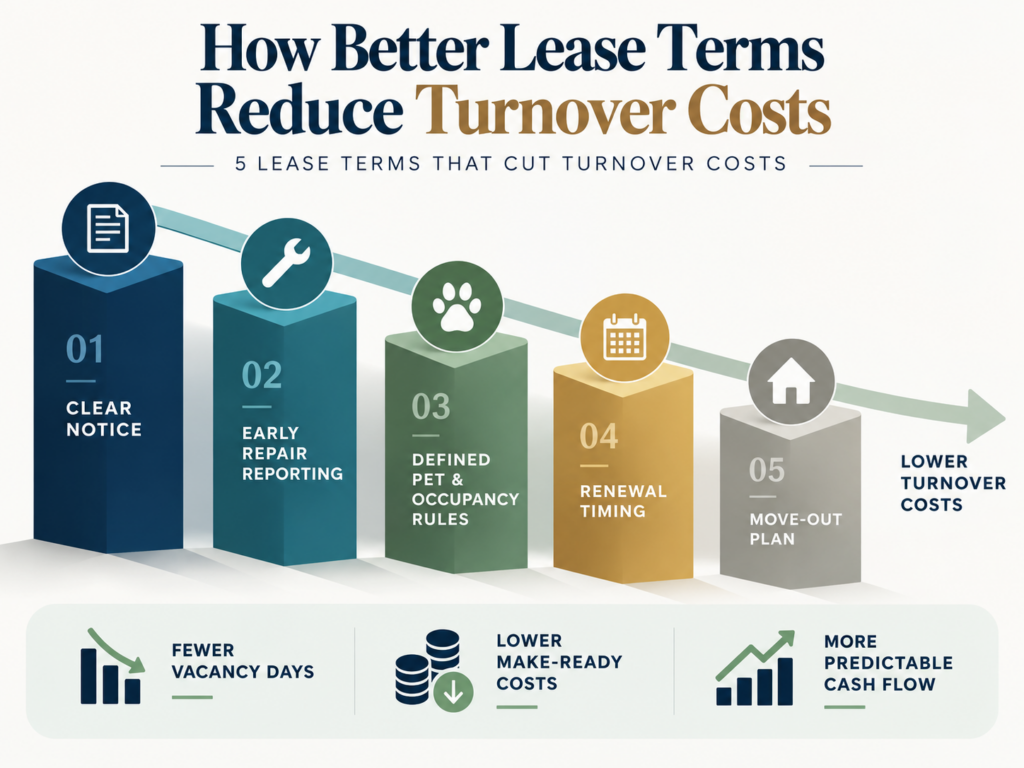
Turnover is expensive long before a new tenant signs the next lease. Lost rent is only one piece. Cleaning, touch up work, utilities, lawn recovery, vendor trips, marketing, showings, screening, and lease preparation all start competing for time as soon as a tenant gives notice.

For a small landlord in DFW and North Texas, the cost can grow even faster when the house needs summer HVAC work, roof or fence repairs after hail and high winds, freeze related plumbing work, or a vendor has to cross the Metroplex from Dallas to Fort Worth, Arlington, Plano, Frisco, McKinney, Denton, or another surrounding market. Better lease terms will not eliminate turnover, but they can make it far more predictable.

Notice Is a Financial Tool

The most valuable thing a landlord can have before a vacancy is time.

A clear lease should explain the notice process, where notice is delivered, and what the tenant needs to include. That gives the owner a usable date instead of a casual message that leaves everyone guessing.

With enough lead time, you can inspect the house, identify work, line up vendors, plan photography, and decide when marketing can begin. Without it, every task falls into a line. The cleaner waits on the painter. The painter waits on a plumbing repair. The photographer waits on everyone. Each extra day can become another day without rent.

I look at notice language as part of vacancy control. It should make the next step easy for the tenant and useful for the landlord.

Clear Rules Protect the House at Move Out

The condition of the property determines how quickly it can go back to market.

A North Texas house that needs a light clean, a few wall repairs, and routine yard work is one thing. A house with an unreported roof leak, damaged flooring, a failed irrigation line, storm damage to a fence, and an unapproved pet is a different project entirely.

Lease terms can reduce some of that avoidable damage. Maintenance reporting language should tell the tenant what to report and where to report it. Yard responsibilities should match the actual property. Pet and occupancy rules should be clear enough that a tenant knows when approval is needed.

A phrase like maintain the premises does not give anyone much to work with. The better approach is to define the recurring items that actually affect the house.

Renewal Starts Before the Last Month

Many expensive turnovers are not caused by one major event. They build from small frustrations.

The tenant never understood how to submit a repair. The landlord handled access differently every time. A renewal conversation started so late that the tenant had already found another house.

Clear lease terms reduce that friction. Payment instructions, maintenance channels, access procedures, pet rules, and property specific expectations create a system the tenant can follow. The lease should also make the end of the term easy to see so both sides know when renewal or move out planning begins.

For investors, the goal is not to pressure a tenant into staying. It is to avoid losing a good tenant because the operation felt disorganized.

Move Out Terms Should Create a Plan

A strong tenancy can still end badly if nobody knows how move out is supposed to work.

The lease should establish the notice process, key return, condition expectations, and the practical steps that happen before possession is turned back over. A plain language move out guide can reinforce the process without trying to replace the lease.

In North Texas, this is also a good time to make seasonal items visible. A summer move out may require immediate HVAC or irrigation attention before showings. A move out after hail or high winds may reveal roof, fence, or exterior damage that was easy to miss while the home was occupied. A winter turnover can also expose plumbing or exterior problems after a hard freeze.

Turnover Belongs in the Lease Review

Landlords often treat turnover as a marketing problem or a maintenance problem. It is also a lease design problem.

The terms that create usable notice, early repair reporting, clear occupancy expectations, predictable renewal communication, and an orderly move out process can reduce wasted days and unnecessary make ready expense.

Track the notice date, vacancy days, make ready cost, and the reason each tenant leaves. Over time, you will see which parts of the lease and operating process are giving you more lead time and which ones are creating avoidable work. That is where better lease terms start showing up in annual cash flow.

How to Review a Lease With a Tenant Without Sounding Intimidating

A lease review can feel uncomfortable if you treat it like a warning session. The tenant is looking at a long document full of rules, fees, and legal language. The landlord is trying to make sure the important parts are understood without sounding as though trouble is already expected.

I prefer to frame the conversation as an orientation. The point is not to prove that you know the lease better than the tenant. The point is to help someone understand how to live in the home, how to communicate with you, and what to do before a small question turns into a bigger problem.

Start With the Reason for the Conversation

Before opening the lease, tell the tenant why you are reviewing it. I would say something simple: “There is a lot in here, so I want to cover the parts that tend to come up during the year. I would rather answer questions now than have either of us guessing later.”

That one sentence changes the tone. You are not quizzing the tenant or looking for a reason to say no. You are giving them permission to ask questions while making it clear that there are systems you expect them to follow.

Keep the review focused on daily life. Rent, maintenance, guests, pets, parking, lawn care, access, alterations, and communication are usually more useful to discuss than reading every paragraph aloud. The signed lease still controls. The walkthrough simply makes the important parts easier to remember.

Explain the Reason Behind the Rules

Tenants are more likely to remember a rule when they understand what problem it is designed to prevent. If the lease limits additional occupants, explain that you need to know who is actually living in the home. That affects the information tied to the tenancy, parking, wear, and sometimes insurance or HOA requirements.

If changes to the home need approval, explain why. Mounting a television, changing a lock, installing shelves, or painting a room can create repair work later. The message is not that the tenant cannot make the home comfortable. The message is that they should ask before changing something that may need to be restored.

Maintenance is especially important in DFW and North Texas. Show the tenant where routine requests go and explain what deserves a faster call. An active water leak, a strong gas odor, electrical arcing, a serious cooling problem during a stretch of triple digit heat, or obvious storm damage that is letting water into the home needs different attention than a loose cabinet pull. You are teaching the tenant how to give you useful information, not asking them to diagnose the repair.

Connect the Lease to the Actual House

A rule becomes easier to understand when you can point to the thing it affects. Show the tenant where the air filter is located and explain who is responsible for changing it under the lease. Point out the main water shutoff if it is accessible and safe for the tenant to use. If the home has an irrigation controller, gate code, HOA parking restriction, or unusual trash schedule, explain it while the tenant can see what you mean.

In DFW and North Texas, weather related changes are often the detail I spend extra time on. A new ceiling stain after hail, shingles or flashing that appear damaged from the ground, a fence section pushed loose by high winds, irrigation that suddenly stops working, or a pipe problem after a hard freeze can all be worth reporting early. The walkthrough is a good place to tell the tenant what you want reported instead of assuming they will know what matters.

Invite Questions Without Reopening the Entire Lease

There is a difference between encouraging questions and renegotiating every term after the lease is signed. I like questions such as, “What part of this do you think will be hardest to remember?” or “Is there anything about the house or our process that you are unsure about?” Those usually get better answers than a quick “Any questions?”

If the tenant asks for an exception you cannot make, answer clearly and calmly. You do not need a speech. A respectful answer such as, “I understand why you are asking, but I need to follow the lease consistently,” is usually enough. What creates frustration is a vague answer or one that changes later.

End With a Clear Path Forward

By the end of the review, the tenant should know where rent goes, how repairs are reported, how you normally communicate about access, and who to contact when they are unsure about a rule. Give them that information in writing too, preferably in a welcome sheet or move in packet.

A good lease review should leave the tenant feeling prepared, not intimidated. You have explained the boundaries, shown them the systems, and made it clear that asking a question early is welcome. That is a much stronger start than handing over the keys and hoping everyone interpreted the paperwork the same way.