
This Content Is Only For Subscribers
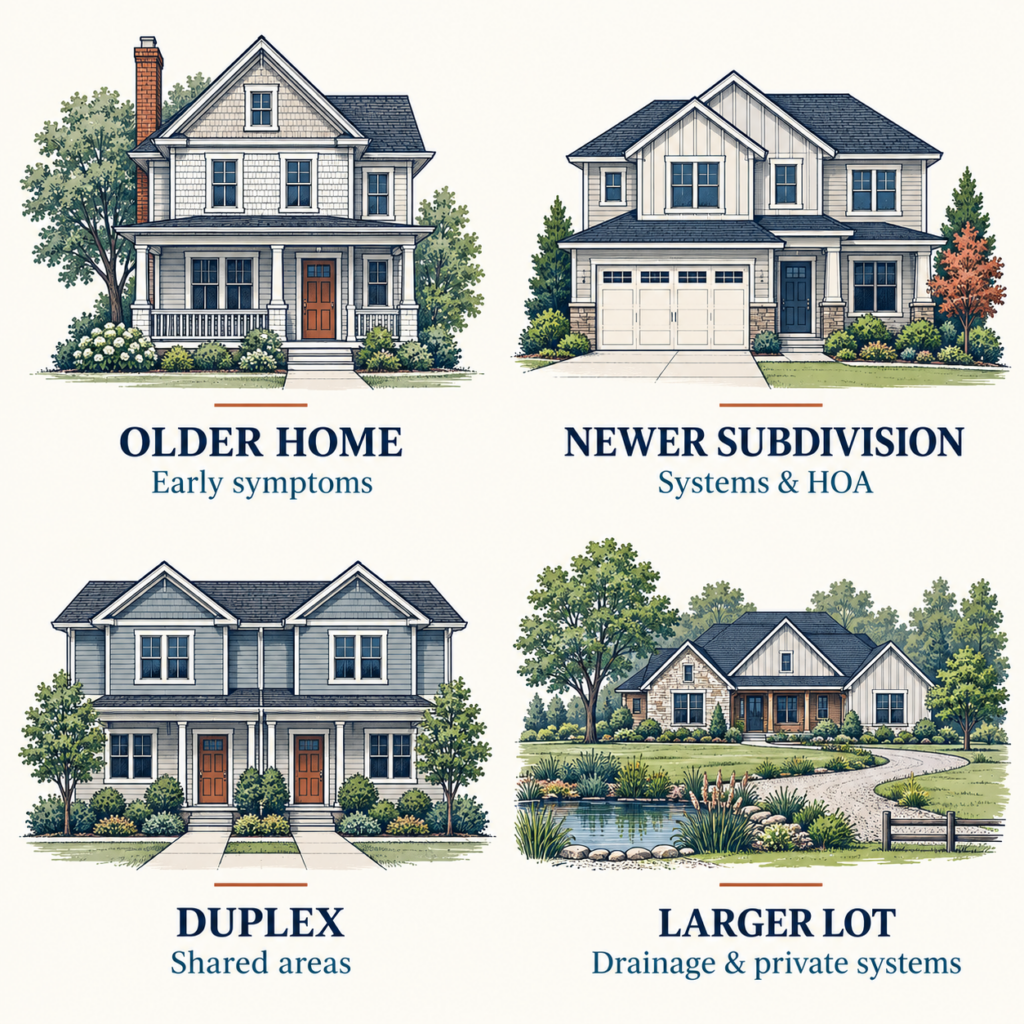
One of the easiest ways to create a maintenance problem is to use the exact same rules for every rental you own. It feels efficient. The problem is that an older Dallas or Fort Worth house does not operate like a newer home in Frisco, McKinney, or Prosper, and neither one operates like a duplex or a larger property farther out in North Texas.
The house should determine the maintenance rules. Your tenant should only be assigned tasks they can see, reach, understand, and safely control. Everything else needs a reporting process and a landlord plan.
That is what a real maintenance system looks like.
A Detached House Gives the Tenant More to Watch
A single family house usually gives the tenant more direct contact with the property systems. They may have a private yard, irrigation controller, hose connections, garage, fence, exterior lights, individual trash bins, and exclusive use of the HVAC equipment.
Your rules should cover the items that actually exist. If the tenant handles mowing, state it. If you provide lawn service, explain what access the crew needs. If the house has irrigation, show the controller and tell the tenant what to report when a zone runs continuously, a head is broken, or water begins pooling near the house.
The tenant should be your early warning system, not your repair technician. They can report a broken sprinkler, a loose fence board, a damaged gutter, a door that suddenly sticks, or soil pulling away near the foundation. They should not climb onto the roof, open electrical equipment, repair a fence post, or change drainage around the property.
Older Dallas and Fort Worth Homes Need Earlier Reporting
Older houses deserve a different maintenance conversation because small symptoms can matter more. An aging drain may slow before it backs up. Older windows or seals may show moisture before trim rots. Foundation movement can show up as a door that suddenly drags or a crack that changes, and a hard storm can expose roof weaknesses that stayed hidden during calm weather.
If you own an older Dallas or Fort Worth home, train the tenant to report recurring symptoms early. A slow drain, a new water stain, a soft spot under a sink, a door that suddenly stops closing correctly, or a room that becomes harder to cool should not sit for months because the tenant thinks the house is simply old.
Newer Subdivision Homes Create Different Problems
A newer house may have fewer age related failures but more systems and more rules. Irrigation, smart thermostats, garage equipment, community landscaping standards, drainage swales, gutters, and HOA restrictions can all create maintenance questions.
Do not hand the tenant a thick association packet and assume they will find what matters. Pull out the rules that affect ordinary use of the house. Explain where bins belong, what the tenant must do before lawn service arrives, how parking affects access, and how to report exterior issues that could trigger an HOA notice.
Duplexes and Shared Areas Need Boundaries
A duplex may feel like two separate houses until one tenant blocks the shared drive, leaves bins in a common area, or a plumbing problem crosses the wall.
Define where each tenant’s responsibility begins and ends. Who handles the strip of grass between units? Is the driveway shared? Who keeps a common walkway clear? If the landlord handles the common exterior, say so. If tenants have separate zones, identify them clearly.
A repair in one unit may require access to the other. Tell both households how those requests will be handled. Shared structures need a cleaner communication system because one person’s delay can become the other person’s damage.
Outer Suburbs and Larger North Texas Lots Need More Instruction
Properties on the outer edge of DFW and across North Texas may come with larger yards, septic systems, wells, long driveways, more trees, drainage ditches, acreage, or irrigation systems covering much more ground. Those systems are not obvious to every tenant.
If the house has a septic system, explain what cannot go down the drains and what symptoms need immediate reporting. If a well or another private system is involved, identify what the tenant watches. If drought, a freeze, or a strong storm affects irrigation, trees, drainage, or access, tell the tenant what to report and what not to attempt themselves.
Do not assume a tenant has lived with the same systems you have. A five minute explanation at move in can protect equipment that costs thousands of dollars to repair.
Write the Rules While Walking the Property
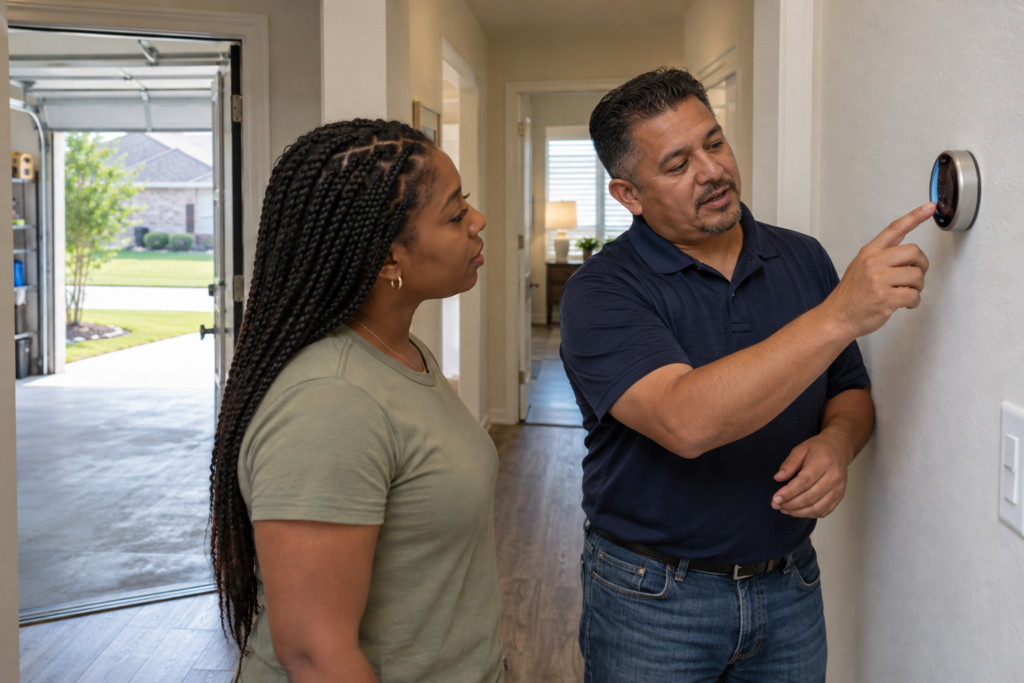
Take the lease to the house and walk it. At every system, ask two questions: can the tenant safely handle a routine task here, and what early warning sign do I need them to report?
That walk will tell you whether the property needs a filter schedule, irrigation instructions, septic reminders, shared trash rules, specialty bulb information, or a specific access plan. It will also show you which tasks belong entirely with your vendors.
Generic rules are easy to write. Property specific rules are easier to follow. When the maintenance policy matches the actual house, tenants know their job, you know what to inspect, and small problems have a much better chance of staying small.