This Content Is Only For Subscribers
For many small landlords, the lease process happens in a burst of activity. An applicant is approved. You open an old lease, change a few names, send a PDF, and start watching your inbox for signatures. Two weeks later a pet is added, one addendum is missing, and nobody remembers which version of the agreement was actually final.
That is not a digital workflow. It is a paper workflow wearing an email address.
The lease controls who lives in the home, what they owe, what rules apply, and what each side agreed to do. If the process that creates that agreement is scattered, your technology is not helping. It is simply spreading the confusion across more screens.
Welcome to Rental Technology, where we focus on the software and digital systems that actually make a small rental business easier to run. This month, the job is simple: build one clean path from application to signed agreement, then make sure the final record lands exactly where it belongs.
You do not need enterprise software to do this. If you own a few homes across DFW and North Texas, a secure application form, a structured cloud drive, a reliable e-signature service, and a written checklist can eliminate most of the duplicated work and version mistakes that make leasing feel harder than it should. In a market this spread out, a clean digital process also keeps you from driving across the Metroplex just to fix paperwork.

The Application Is the First Record
The digital lease workflow starts before anyone sees a lease. It starts with the application.
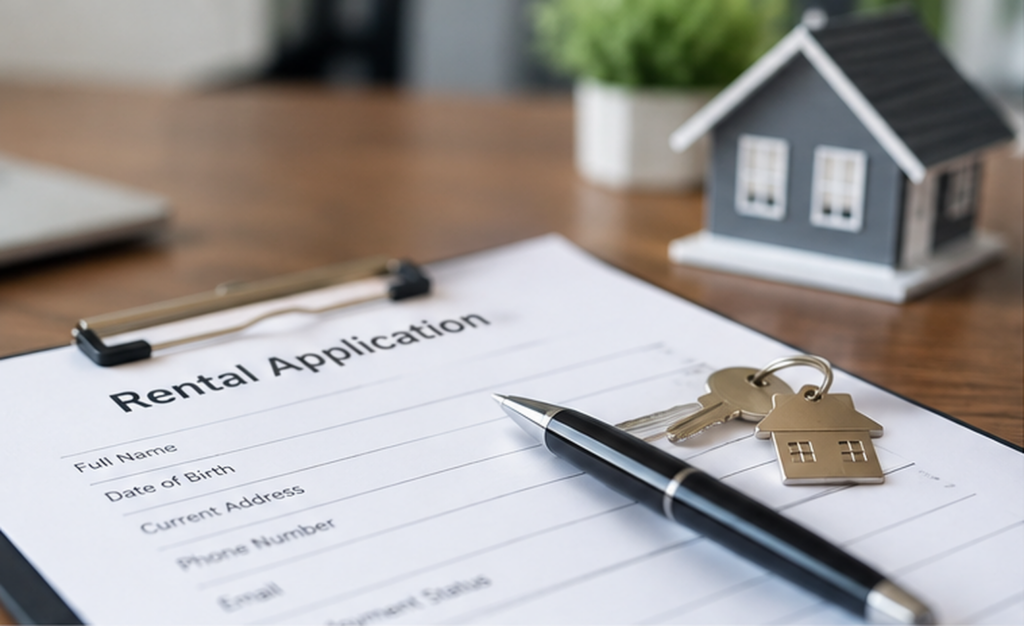
Too many landlords treat the application like a temporary document. They review it, make a decision, and then allow the information to disappear into email or Downloads. That is a mistake. The approved application becomes the source record for the lease. It contains the legal names, contact information, proposed occupants, pets, intended move in date, and the facts you need to verify before preparing the agreement.
Use one application path. Do not take one applicant through text, another through a photo of a handwritten form, and another through a random PDF attachment. One digital process gives every prospect the same questions and gives you one place to review the answers.
Once an application arrives, save it in a clearly named applicant folder for that property. If you manage homes across Dallas, Tarrant, Collin, Denton, or nearby counties, the address should be obvious in the folder name. “Applicants” is not enough. “1842 Example Road Dallas Applicants” tells you exactly what you are looking at.
Define the point when screening is complete, approval is final, and lease preparation begins. That decision point matters. It stops you from drafting documents for applicants who are still under review and keeps the process from jumping ahead of itself.
Verify Before You Populate the Lease
The most common lease mistakes are not dramatic legal failures. They are ordinary data errors that get copied forward.
A misspelled name, wrong rent, missing occupant, incorrect move in date, or pet that never makes it into the addendum can follow you for the entire tenancy. Digital tools make copying information easy. That is useful right up until you copy the wrong information into six different documents.
Before you build the lease, compare the approved application against your final approval notes. Confirm every adult signer, the exact property address, lease term, rent, security deposit, due date, occupants, pets, parking, utilities, and any special terms already agreed to in writing. If something changed during screening, resolve it now. Blank fields and “I will fix it later” are how bad documents get signed.
Use a one page checklist before you move forward. Did every adult make it into the agreement? Is the pet addendum there? Are property specific disclosures included? Did you confirm the tenant email before assigning the signing request?
Technology is only as good as the information you feed it. A solid workflow gives you one deliberate place to slow down before the mistake becomes official.
Build the Lease Package, Not Just the Lease
A tenant rarely signs one document. The lease may travel with a pet addendum, parking rules, lead based paint disclosure where applicable, HOA materials, condition forms, resident information, or maintenance instructions.
Do not send those items as a trail of unrelated emails. Build one organized package that makes it obvious which documents belong to this tenancy and which ones require a signature or acknowledgment.
Your e-signature tool should control the order and make the process easier to follow. Put the core lease first. Place related addenda behind it. Assign the fields to the correct signer. Use initials where they serve a purpose, not on every page because the software makes it easy.
Before you send anything, look at the package like a tenant. Is every field complete? Are the right people assigned? Does the email explain what is coming and when you need it back? Would the packet make sense to somebody opening it from a phone after work?
The point of digital leasing is clarity. The tenant should know what they are signing, what action is required, and who to contact if something does not look right.

Use E-Signature as a Process, Not a Button
E-signature is one of the best tools available to a small landlord, but it is easy to confuse speed with control. Sending a document through a signing service does not prove that the agreement is complete, correct, or stored properly.
Use a platform that gives you a clear completion record, delivers final documents to the parties, and allows you to download the executed package. Confirm every signer finished. One missing signature means the workflow is still open.
Do not replace the actual agreement with a casual email saying everybody is good to go. Finish the document properly.
Give every package a status: draft, sent, partially signed, fully executed, filed. Those five labels tell you where the deal stands without opening three browser tabs and guessing.
The Signature Is the Middle of the Workflow
The signature feels like the finish line because the hardest part of leasing is usually over. Operationally, it is the handoff point.
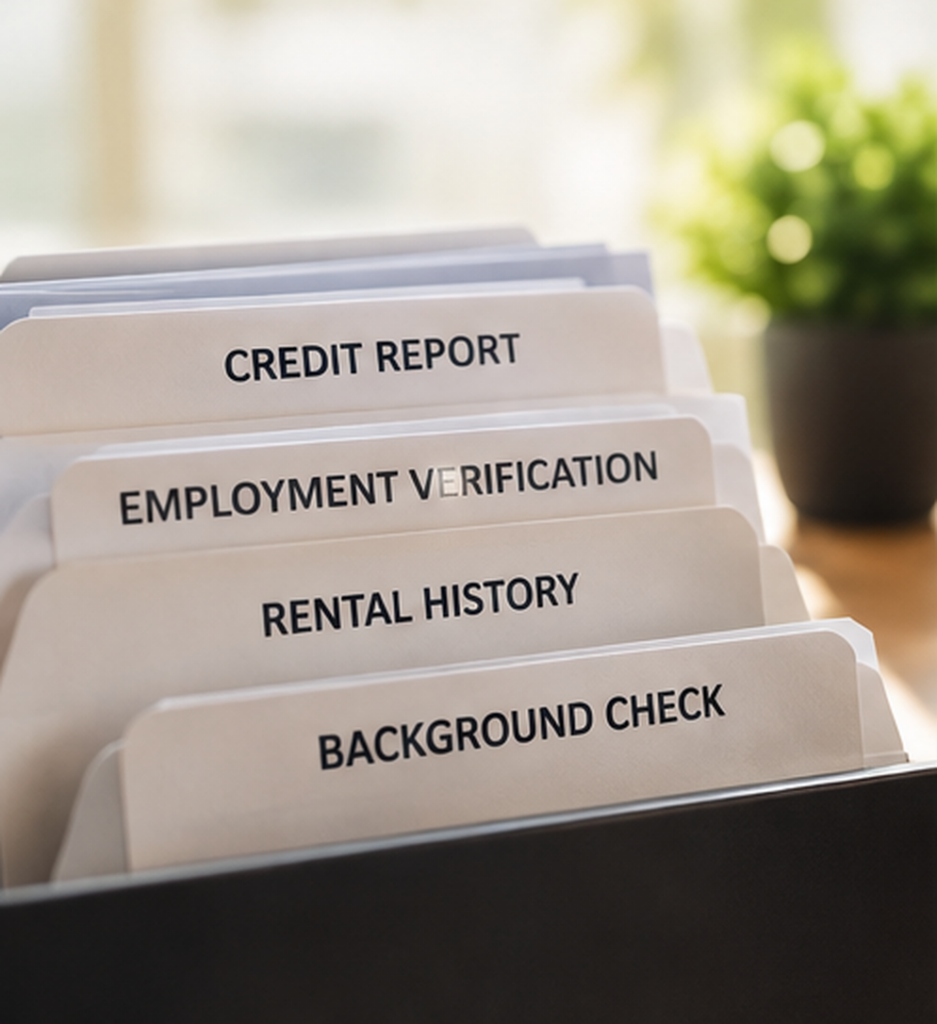
The minute the lease is fully executed, save the package in the permanent property folder. Do not leave the only copy inside the signing platform. Your folder structure should be predictable at every house: Applications, Executed Lease, Addenda, Move In Condition, Maintenance, Financial Records, and Move Out.
Name the files like you expect to search for them from a phone six months from now. “Lease Final Final New.pdf” is useless. “2026 08 01 Smith Executed Lease” tells you what it is before you open it. Use the same pattern for addenda, renewals, condition records, and amendments.
Then send the tenant the organized final copy and a short message explaining what happens next, how rent is paid, where maintenance requests go, and when move in information will arrive.
Connect the Lease to Move In
The last digital step should make the physical move in easier.
Build the move in packet as soon as the lease is filed. Include the executed documents, payment instructions, maintenance process, utility reminders, condition form, and a short property guide. A DFW home may need HOA parking rules, utility setup, irrigation instructions, filter size, freeze preparation notes, or gate access. A property farther into Denton, Parker, Wise, or other outer North Texas counties may need septic, well, propane, acreage, or private gate information.
This is also the right time to create calendar reminders. Lease start. First rent due. Filter reminder. Inspection window. Renewal conversation. Digital systems are most valuable when they turn dates on a document into actions you do not have to remember from scratch.
A good workflow makes move in calmer, not colder. The tenant should arrive knowing where documents live, how to pay, and how to get help.
Templates Need a Property Check
Templates are a huge time saver until they start carrying yesterday’s property into today’s lease. Keep a simple property profile beside the template for every rental. Record utilities, parking, pet rules, HOA requirements, appliances, irrigation, mailbox instructions, lawn responsibility, storage areas, access details, and anything else that changes how the tenant uses the property.
That profile matters in this market because the houses are not interchangeable. A Frisco or McKinney property may have detailed HOA and irrigation rules. A townhome closer to Dallas or Fort Worth may have shared parking, trash, or gate arrangements. A rental in Plano, Allen, or another established suburb may involve different neighborhood or utility details. A property farther into Denton, Parker, or Wise County may have septic, propane, acreage, or gate issues that never appear in a suburban lease.
Compare the working lease against that profile before sending. Your template should remove repeated typing. It should not remove the final property check that makes the lease accurate.
The Final Check Happens Before Keys Change Hands
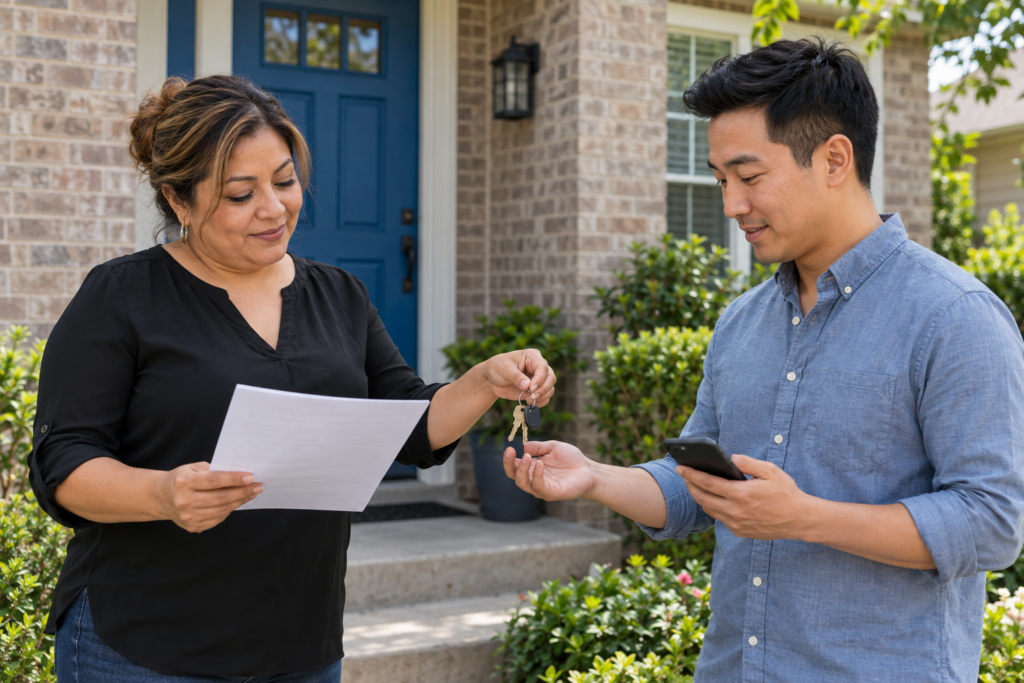
Create one final checkpoint between a fully executed lease and the key handoff. Confirm the signed lease, every addendum, required payments, tenant contact information, utility confirmation where relevant, and the move in condition process. Make sure the tenant received the digital packet and can actually open it.
This is a five minute review that catches an amazing number of first day problems. You do not want to meet a tenant at a DFW property in August and discover that the pet addendum is missing, the lease went to an old email address, or nobody explained how to pay the first month. The best technology does not eliminate the human check. It gives you the same place to perform it every time.
Build the Process Before You Buy More Software
The fastest way to overcomplicate a small rental business is to buy software before you have a process worth automating.
Start with the workflow. One application source. One approval point. One verified data set. One lease package. One signing process. One storage location. One move in packet. If you can execute those steps consistently with basic tools, you have already eliminated most of the administrative mistakes that cost small landlords time.
Then decide whether a larger platform will make that system faster. Good software reduces duplicate entry, improves the record, and makes information easier to find. Bad software adds steps, hides documents, and forces you to work around the tool you are paying for.
Digital lease workflows do not replace your judgment. They give that judgment a repeatable path from application to signed agreement. Build the path once, use it every time, and let the technology handle the repetitive parts.